Best Time to Climb Kilimanjaro: A Month-by-Month Guide
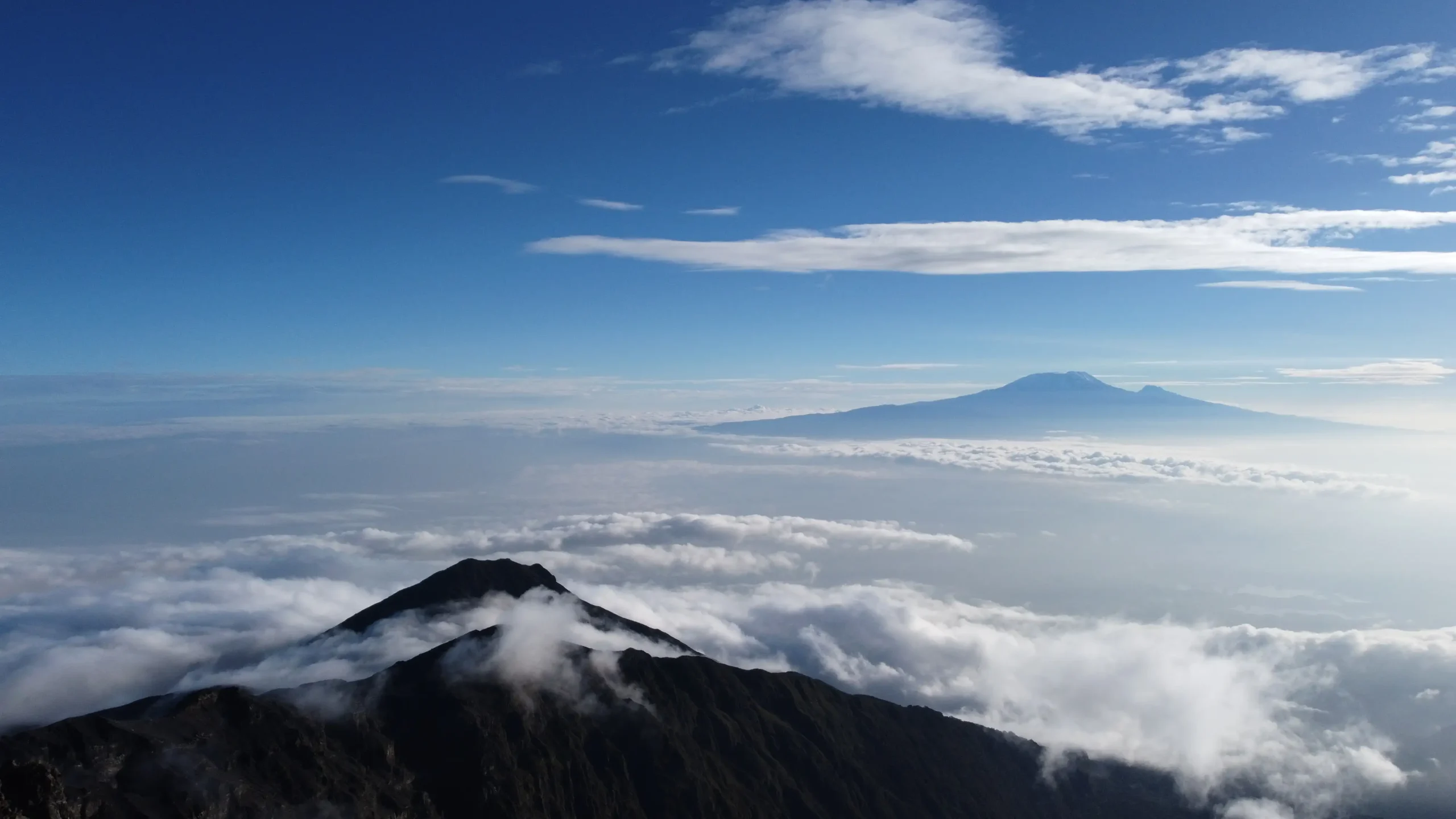
Choosing when to climb Mount Kilimanjaro is the first real decision you'll make — and it shapes everything from your summit odds to how crowded the trails will be. Tanzania has two distinct dry seasons, and most routes on Kilimanjaro perform very differently in wet versus dry conditions. This guide breaks it down month by month so you can book with confidence.
Kilimanjaro sits at 5,895 metres and creates its own weather. Even in the dry season, summit temperatures regularly fall to –15°C overnight, and conditions can shift quickly above 4,000 metres. Understanding the mountain's weather is as important as the route you pick.
The Two Main Climbing Windows
Tanzania's climate follows two dry seasons and two wet seasons each year. Kilimanjaro's climbing calendar maps closely to these patterns, with the most reliable windows falling in the middle of each dry period.
January and February — Short Dry Season
January and February are among the best months to climb Kilimanjaro. The short dry season delivers clear skies, cold but stable conditions, and significantly fewer climbers on the mountain. If you're targeting the Machame route or the 8-day Lemosho route but want to avoid the July–August rush, this window is the right call. Nights above 4,500 metres will be cold — pack a sleeping bag rated to –20°C at minimum.
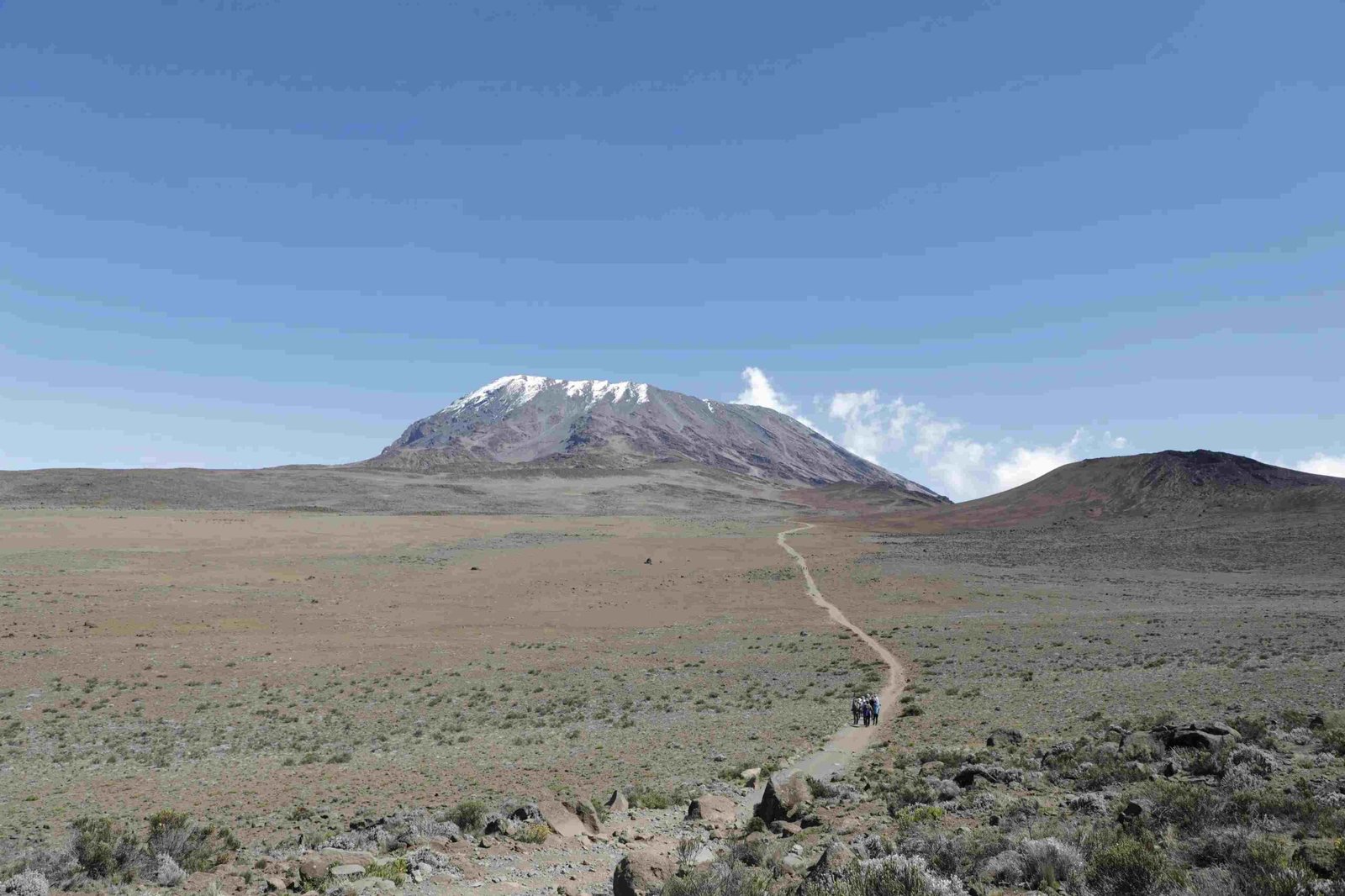
The alpine desert zone on the Machame route: dry, exposed, and clearest in the long dry season.
June to October — Long Dry Season
This is Kilimanjaro's peak climbing season, and the most popular window worldwide. June through October brings the most reliable weather on every route, with low humidity, minimal rainfall, and the best summit visibility of the year. All of our Kilimanjaro packages run year-round, but demand is highest from late June through August. If you plan to climb during this period, book your preferred itinerary at least three to four months in advance.
July and August in particular see the highest climber numbers on popular southern-approach routes like Machame and Lemosho. The 9-day Northern Circuit is a good alternative if you want the peak-season weather with far fewer people on the trail.
Worth knowing: Our 98.5% summit success rate holds across all months. The dry season improves visibility from Uhuru Peak — the achievement is the same regardless of when you go, but the photograph is better in June through October.
Climbing Kilimanjaro in the Rainy Seasons
Tanzania's rainy seasons — April through May (long rains) and November through December (short rains) — are not impossible for climbing Kilimanjaro. Whether they're right for you depends on the route you choose and how you approach the conditions.
April and May — Long Rains
April and May bring consistent, heavy rainfall to the southern slopes of Kilimanjaro. The lower forest zone becomes lush and green, and the mountain feels genuinely remote — most operators reduce schedules and some run no climbs at all during these months. Trails below 3,000 metres can be extremely muddy, and cloud cover above 4,000 metres often stays for days at a time. We do not recommend April or May for first-time Kilimanjaro climbers.
November and December — Short Rains
The short rains are lighter and more predictable than the long rains. November often sees afternoon showers that clear by evening, and many days above the forest belt remain dry. December is variable — early December can be excellent, while late December brings heavier precipitation before easing into the January dry window. The Rongai route approaches from the drier northern side of the mountain and is the best option if you're set on climbing during November or December.
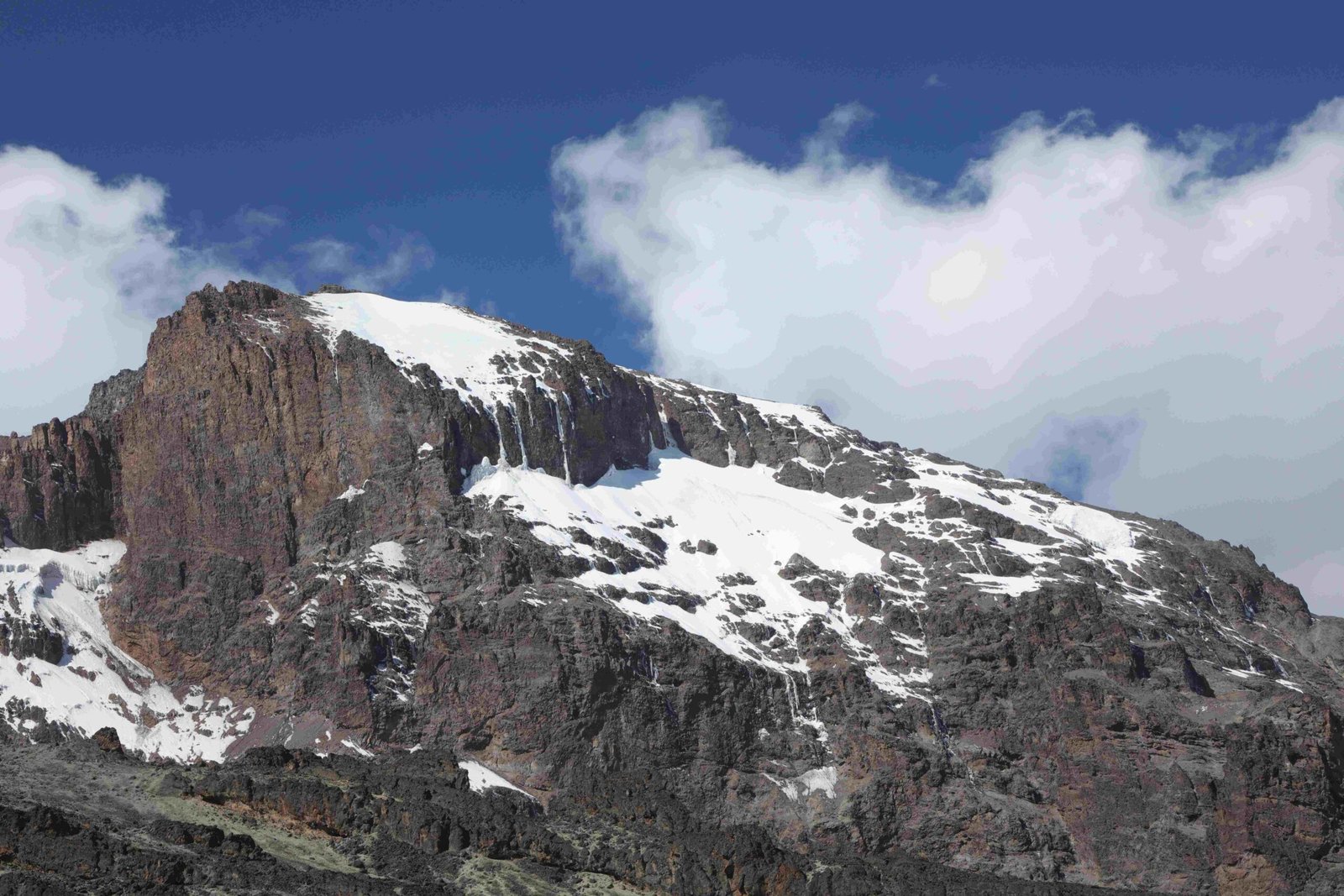
The Rongai route's northern approach receives significantly less rainfall than the southern routes.
Kilimanjaro Route Comparison by Season
Not all routes respond to wet season conditions in the same way. The southern routes — Machame, Lemosho, Umbwe — bear the brunt of rainfall. Northern and eastern approaches stay drier. Here is a quick comparison to help you match your dates to the right route.
| Route | Best Season | Wet Season Suitability | Duration |
|---|---|---|---|
| Lemosho | Jan–Feb, Jun–Oct | Not recommended | 7–8 days |
| Machame | Jan–Feb, Jun–Oct | Not recommended | 6–7 days |
| Rongai | All year | Good — driest approach | 7 days |
| Marangu | Jan–Feb, Jun–Oct | Moderate — huts reduce exposure | 6 days |
| Northern Circuit | Jan–Feb, Jun–Oct | Better than southern routes | 9 days |
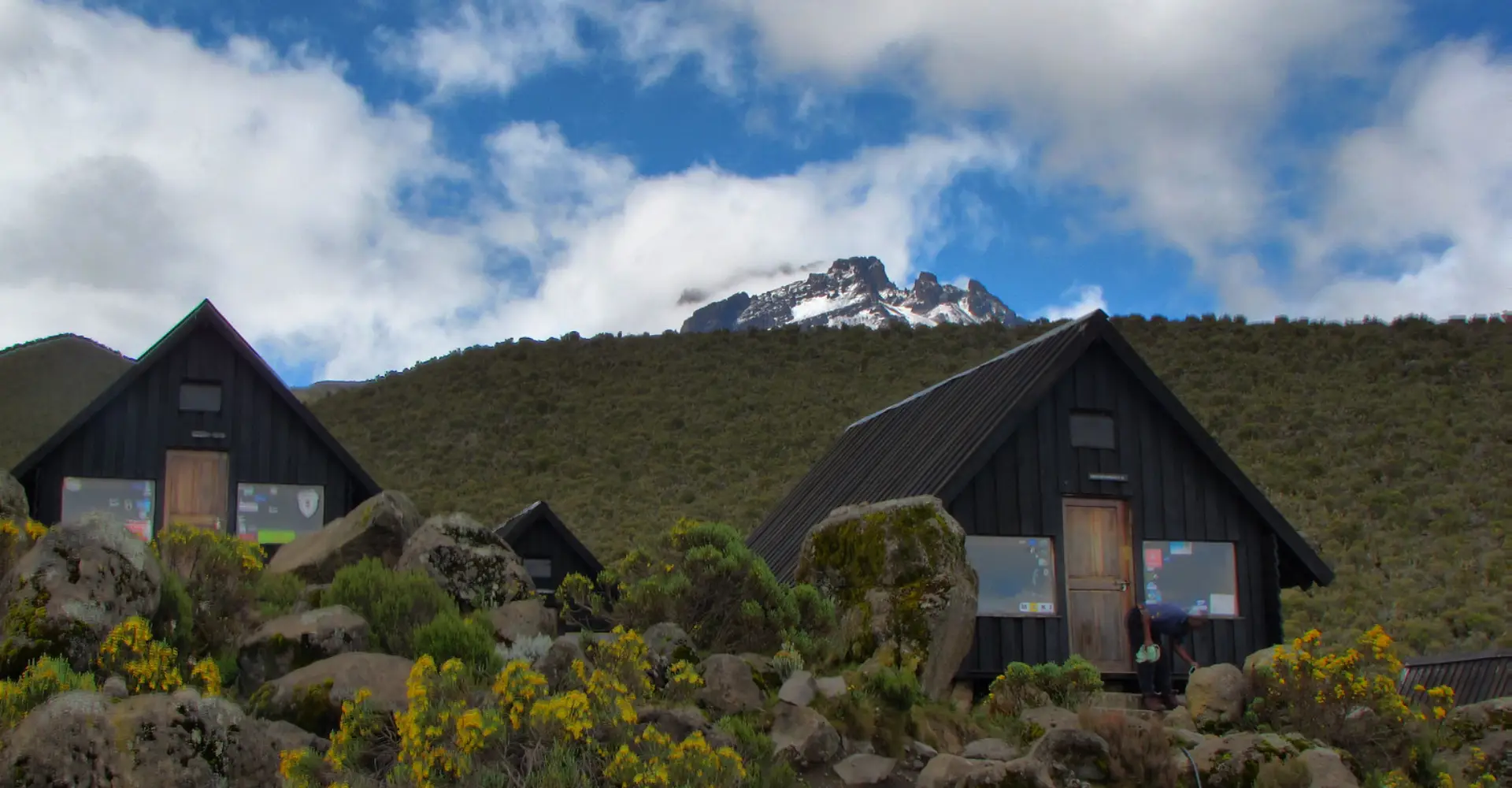
Horombo Huts on the Marangu route: hut-based sleeping offers more shelter during the shoulder and wet seasons.
Combining Kilimanjaro with a Tanzania Safari
Many of our clients combine a Kilimanjaro climb with a Tanzania safari, and the timing aligns well. The June–October dry season is the best period for both: it overlaps directly with the Great Wildebeest Migration in the Serengeti, and game viewing across Zanzibar and the northern circuit parks is at its clearest and most productive.
We run several combined safari and Kilimanjaro packages that are sequenced to climb first, then recover on safari — this order works better physiologically, since you return to lower altitude after the climb rather than heading straight up after days in a vehicle.
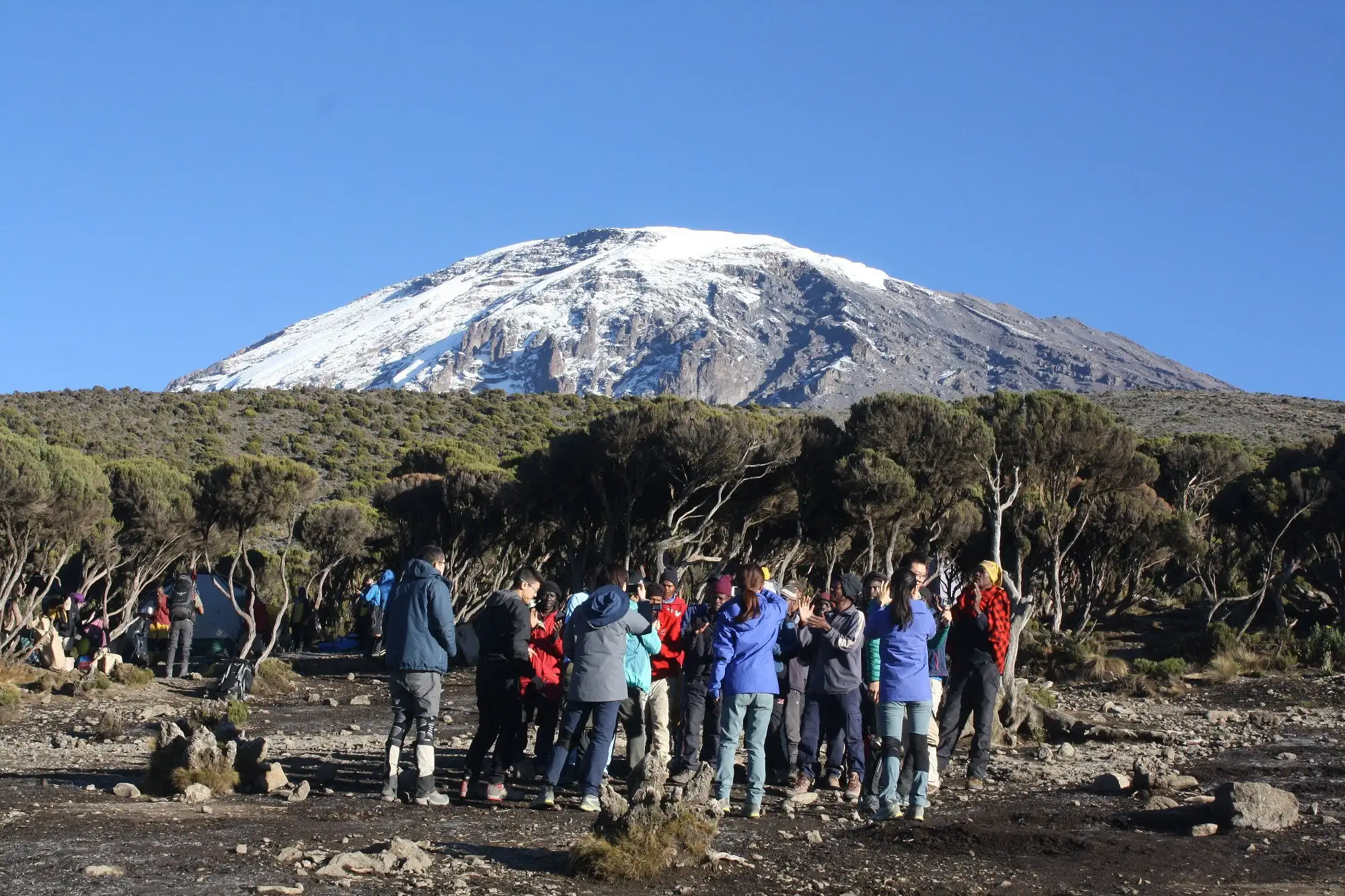
Many climbers extend their trip with a safari across the northern circuit parks after summiting.
Month-by-Month Summary
Use this as a quick reference when comparing dates. All months are climbable — the question is what trade-offs you're willing to make.
- January: Excellent — cold, clear, uncrowded. Best visibility on most routes.
- February: Excellent — similar to January. Slightly warmer lower down.
- March: Transition month. Early March is fine; late March sees increasing showers.
- April: Long rains begin. Muddy trails, limited visibility. Avoid for most routes.
- May: Heaviest rainfall. Not recommended — summit rates drop significantly.
- June: Long dry season begins. Conditions improve quickly from mid-June onward.
- July: Peak season. Best weather, highest demand — book well ahead.
- August: Peak season. Busiest month on Machame and Lemosho routes.
- September: Excellent — crowds thin, conditions remain dry and stable.
- October: Good — tail end of dry season, occasional afternoon cloud at lower camps.
- November: Short rains. Rongai is the best route choice this month.
- December: Variable. Early December often climbs well; late December is wetter.
What Affects Your Summit Success Rate
Weather is one factor — but it is not the only one. Your acclimatisation schedule matters more than the month you choose. Routes with more days at altitude, such as the 8-day Lemosho or the 9-day Northern Circuit, consistently outperform shorter routes regardless of season. A climber on a 9-day itinerary in November will very often outperform a climber on a 6-day itinerary in July.
Guide quality, gear, pacing, and pre-climb fitness all compound over a week on the mountain. We brief every client on altitude management before departure and our guides carry supplemental oxygen on all climbs as standard. Contact our team if you want an honest assessment of your fitness level and which route is right for your dates.
Tell us your dates and fitness level. We'll recommend the right route and itinerary — no pressure, just straight answers.
Frequently Asked Questions
What is the absolute best month to climb Kilimanjaro?
January, February, July, August, and September are the strongest months. January and February offer the same clear conditions as peak season with far fewer climbers. July and August are the most popular due to Northern Hemisphere school holidays — the weather is excellent but trails are at their busiest.
Can I climb Kilimanjaro in April or May?
Technically yes, but we advise against it. The long rains bring sustained heavy rainfall to the southern slopes, making the lower trail sections extremely difficult and reducing summit visibility significantly. If you have no alternative, the Rongai route is the best option and we can discuss realistic expectations openly.
Is it cold on Kilimanjaro in the dry season?
Yes. The dry season brings the coldest temperatures on the summit plateau. At Crater Camp and Uhuru Peak, overnight temperatures regularly fall to –15°C in June and July. Proper layering — including a down jacket, thermal base layers, and insulated gloves — is non-negotiable regardless of month.
How far in advance should I book?
For July and August, book three to four months ahead. For January, February, and September, six to eight weeks is usually sufficient. For the rainy season months, availability is generally open closer to the date — but we recommend confirming gear and training well ahead regardless of season.
Can I combine Kilimanjaro with a safari?
Yes — and the June–October window is ideal for both. We offer combined packages that sequence the climb before the safari, which we recommend for recovery reasons. A private luxury safari after summit day is a very good way to spend a few days at lower altitude.
Start Planning Your Kilimanjaro Climb Today
Speak directly with Praise Nyange and our senior safari and Kilimanjaro specialists. We listen carefully, ask the right questions, and design an itinerary that feels unmistakably yours.
No commitment required · Personalised response within 24 hours

Your Safari Specialist
Praise Nyange
Founder & Lead Safari Expert
A decade guiding private safaris across Tanzania's finest parks — every itinerary personally overseen.




