Tanzania Safari Packing List: The Complete Checklist for 2026 & 2027
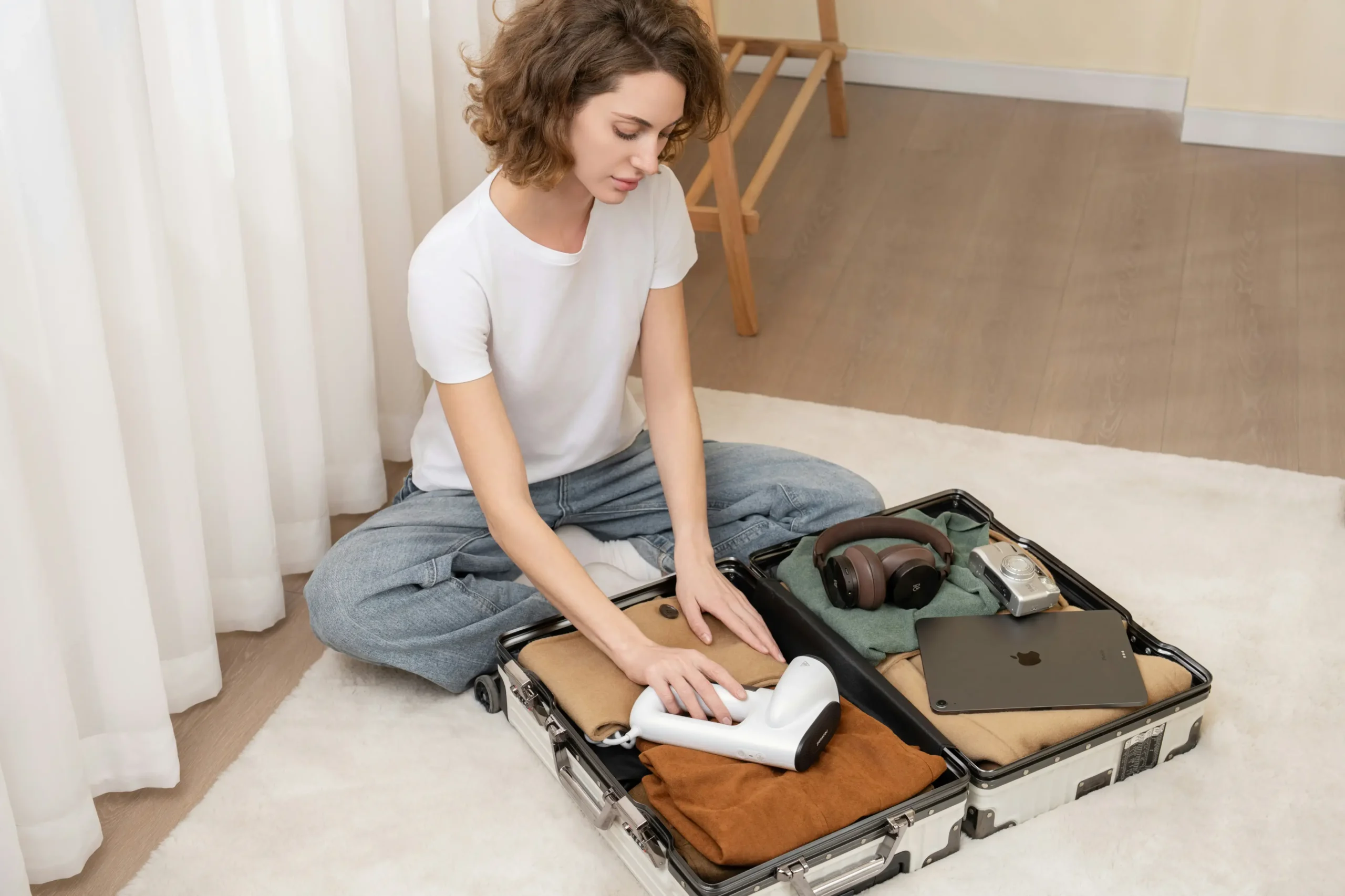
Packing for a Tanzania safari is a balancing act. You want to be prepared for cold mornings on the Serengeti, dusty afternoon game drives, and humid evenings around camp — all in a bag small enough to fit on a light aircraft. This guide is put together by the team at Nyange Adventures in Moshi, and it is based on what we see guests get right and get wrong on the mountain and in the bush. Follow it and you will not be the person digging through an overloaded hard-shell suitcase at a remote airstrip.
This list covers Tanzania group safaris, private luxury safaris, and safari-and-Zanzibar combinations. If you are also climbing Kilimanjaro, you will need additional climbing-specific gear — ask our team and we will send a separate kit list.
Luggage limit: 15 kg per person. Light aircraft used to reach Serengeti, Ruaha, and other remote camps have strict weight limits — typically 15 kg (33 lbs) total including hand luggage. Soft-sided duffel bags are mandatory; hard-shell suitcases will not be accepted. Plan your packing around this limit from the start.
Quick-Reference Packing Checklist
Use these cards as your starting point. Detailed notes for each category follow below.
- 3–4 lightweight long-sleeved shirts (neutral colours)
- 2–3 pairs of lightweight trousers or zip-offs
- 1–2 pairs of shorts (for camp use)
- Warm fleece or down jacket
- Lightweight waterproof jacket
- Wide-brimmed sun hat
- Buff or neck gaiter (dust protection)
- Underwear & lightweight socks (5–6 pairs)
- Swimwear (for lodges & Zanzibar)
- 1 smart-casual outfit for lodge dinners
- Closed-toe walking shoes or light trail runners
- Sandals or flip-flops (camp & beach)
- Ankle gaiters (optional, for walking safaris)
- Binoculars (8×42 or 10×42 recommended)
- DSLR or mirrorless camera + telephoto lens
- Extra memory cards & batteries
- Universal travel adapter (Tanzania uses UK type G)
- Portable power bank
- Dust-proof and waterproof bag or cover
- Headlamp with spare batteries
- Malaria prophylaxis (prescribed before travel)
- Insect repellent with DEET or Picaridin
- High-SPF sunscreen (SPF 50+)
- Lip balm with SPF
- Basic first aid kit
- Antihistamines
- Oral rehydration salts
- Personal prescription medications
- Travel health insurance documents
- Passport (valid 6+ months from travel date)
- Tanzania e-visa (apply at eservices.immigration.go.tz)
- Yellow fever certificate (if travelling via endemic country)
- Travel insurance policy + emergency contacts
- US dollars cash (small bills for tips)
- Debit/credit card for lodges
- Copies of all documents (digital + paper)
- Travel-sized shampoo, conditioner, body wash
- Toothbrush & toothpaste
- Deodorant
- Wet wipes & hand sanitiser
- Microfibre travel towel
- Sanitary products
- Small sewing kit
Print a one-page version to tick off as you pack.
Clothing: What to Wear on a Tanzania Safari
Clothing is where most first-time safari-goers go wrong — either by packing too much or by choosing the wrong colours. Tanzania's bush environment has a clear dress code, and it is driven by two things: temperature variation and wildlife behaviour.
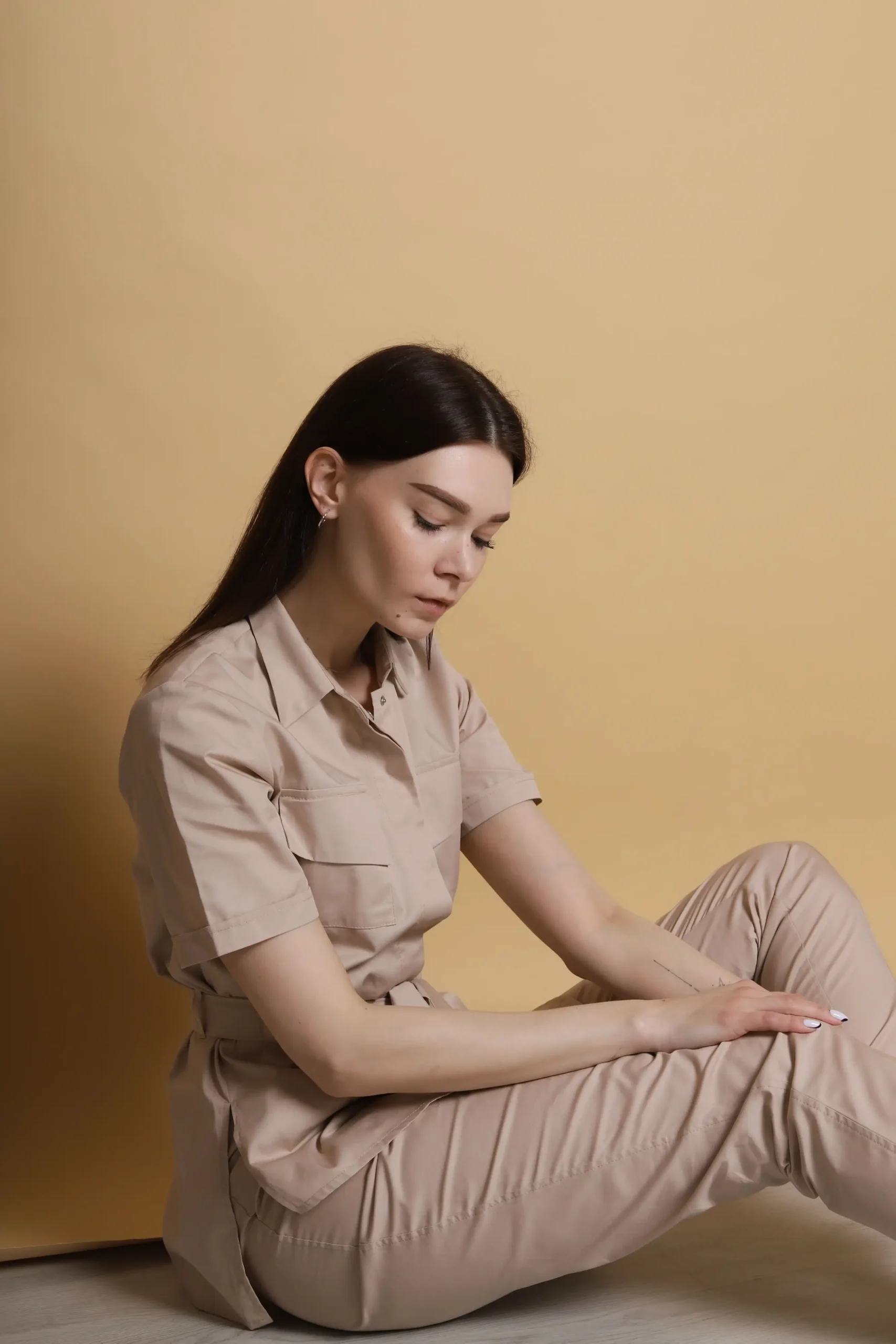
Neutral tones — khaki, olive, stone — are the standard on a Tanzania safari. Avoid white and bright colours.
Colours Matter
Stick to khaki, olive green, stone, beige, brown, and grey. These colours blend with the savannah, reduce the chance of startling wildlife during game walks, and show less dust during dry-season drives. Avoid white, bright blue, red, and yellow — white draws attention from animals and shows dust immediately; blue is associated with water by tsetse flies, which are attracted to that colour.
Layer for Temperature Swings
Morning game drives in the Serengeti or Ngorongoro Crater can start at around 10°C in the dry season. By midday that same day can hit 30°C. You will want to build in layers: a thermal base layer under a long-sleeved shirt, then a fleece you can remove as the day warms. This is especially important on the crater rim at Ngorongoro, which sits above 2,000 metres and gets genuinely cold at night.
Long Sleeves Are Your Friend
Long sleeves protect against both sun and insects. Lightweight, quick-dry fabrics — merino wool or synthetic blends — work best. Cotton is fine in moderate temperatures but takes a long time to dry after sweating or washing. Most safari lodges offer a laundry service, so you can pack four or five tops for a 10-day trip rather than 10.
Footwear for Safari
You do not need heavy hiking boots for a standard game drive safari. Most of your time will be spent in a vehicle, with short walks at camps and picnic sites. Lightweight, closed-toe trail runners or walking shoes are ideal — they handle dusty gravel tracks, camp paths, and short bush walks without the bulk of a full boot.
If your itinerary includes a walking safari in Nyerere or Ruaha, a more structured boot with ankle support is a sensible upgrade. Our guides will advise you before departure.
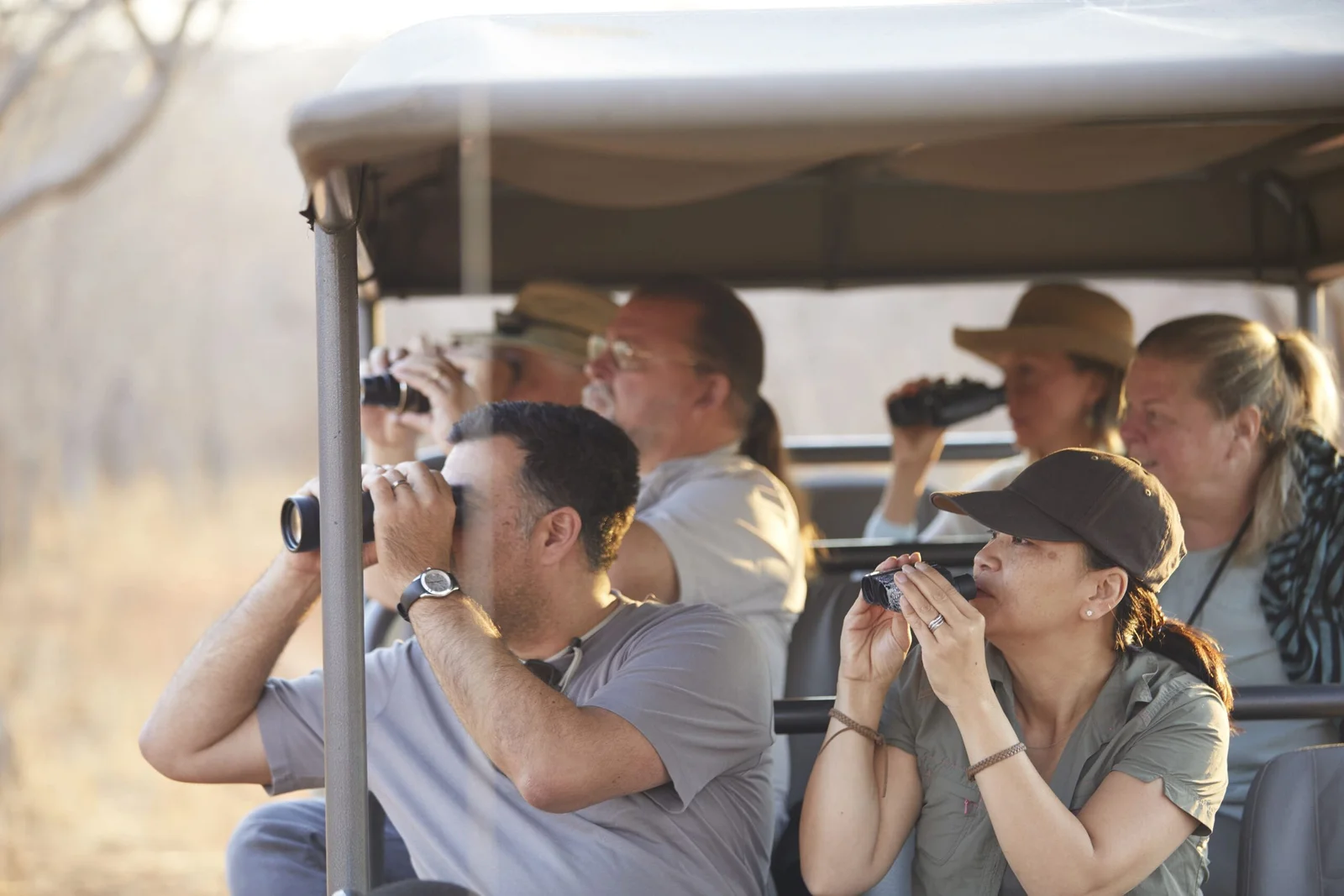
Binoculars are arguably the most-used piece of kit on a game drive — good optics make a real difference.
Optics and Camera Gear
A good pair of binoculars will improve your safari more than any other single piece of kit. Big cats resting under a tree a kilometre away, a raptor perched on a termite mound, a cheetah scanning the horizon — all of these are made more vivid with decent optics. We recommend an 8×42 or 10×42 configuration: the wider aperture gathers more light for dawn and dusk drives, and the magnification is enough for open savannah without being too heavy to hold steady.
Photography on Safari
If you shoot on a DSLR or mirrorless camera, a 100–400mm telephoto zoom lens is the most versatile choice for wildlife. Prime lenses give better quality but less flexibility when animals are moving at different distances. Pack at least two extra batteries — charging opportunities at remote camps can be limited — and carry enough memory cards to avoid deleting in the field.
Protect your gear: Dust is the biggest threat to cameras and lenses on a Tanzania safari, particularly in the dry season. A simple dust-proof bag or a dry sack over your camera between shots makes a real difference. The Serengeti's corrugated tracks are unforgiving on unprotected electronics.
Health, Vaccinations, and Medical Prep
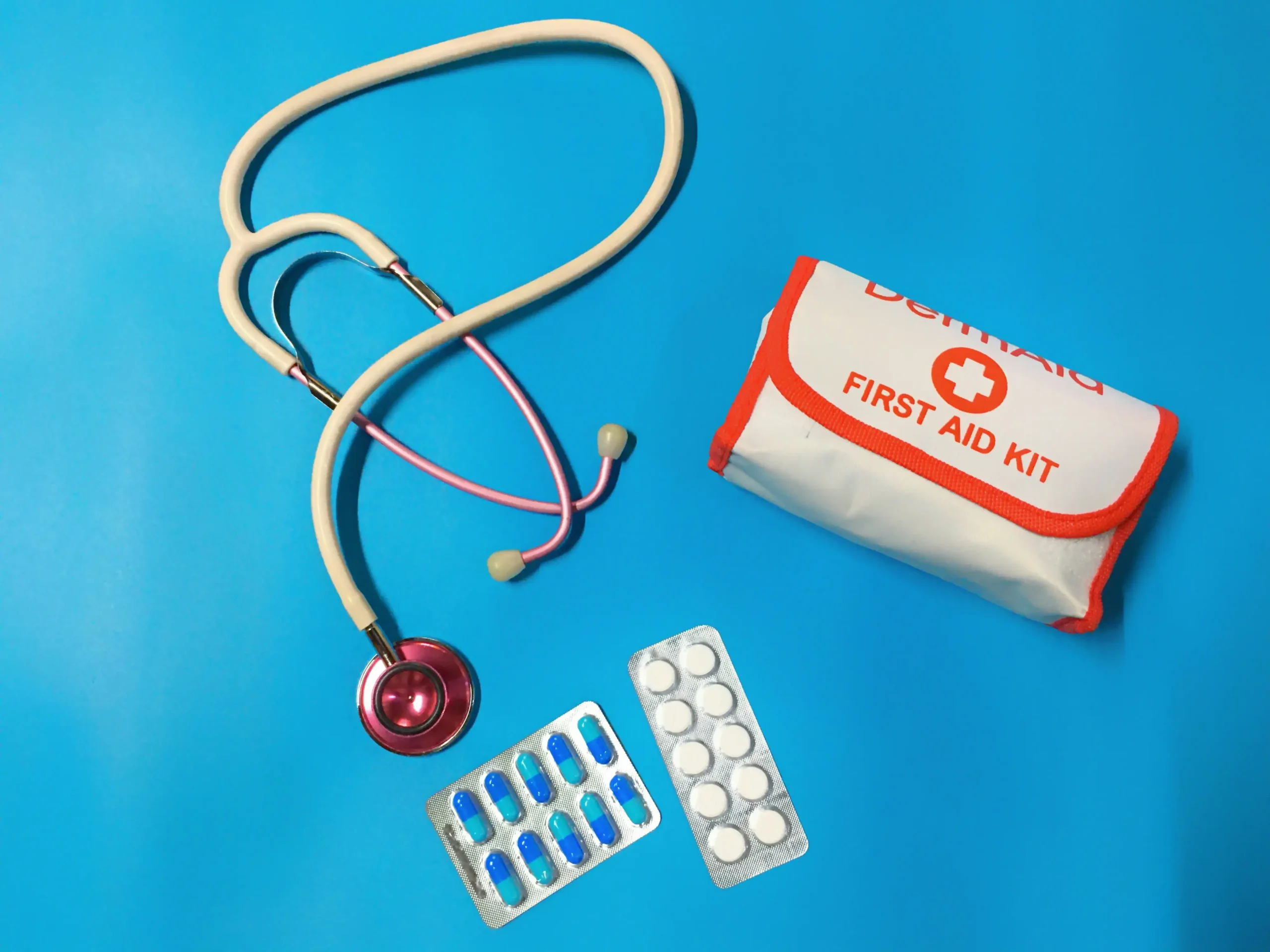
Health preparation matters as much as gear. Sort vaccinations and malaria prophylaxis well before your departure date.
Tanzania requires or recommends several vaccinations and health precautions. Start this process at least six to eight weeks before your trip — some vaccines need multiple doses over several weeks.
| Health Item | Required / Recommended | Notes |
|---|---|---|
| Yellow fever vaccination certificate | Required | Mandatory if arriving from an endemic country (e.g. Uganda, Kenya, DRC) |
| Malaria prophylaxis | Strongly recommended | Atovaquone/proguanil (Malarone) or doxycycline — consult your doctor |
| Hepatitis A & B vaccine | Recommended | Standard for East Africa travel |
| Typhoid vaccine | Recommended | Particularly if eating outside lodges |
| Rabies vaccine | Optional | Recommended for extended trips or walking safaris |
| Covid-19 certificate | No longer required | Removed as an entry requirement in 2023 |
Malaria Prevention
Tanzania is a malaria-endemic country, and the northern circuit parks are at moderate risk year-round. Taking prophylaxis is the most effective single step you can take. DEET-based insect repellent, long sleeves at dusk and dawn, and a mosquito net at camp (most lodges provide them) round out your protection. Our guides carry a basic first aid kit, but you should also bring your own.
Packing for the Wet Season vs Dry Season
What you pack should reflect when you are travelling. The dry season (June–October and January–February) and the wet season (November–May) have meaningfully different packing priorities.
- Warm fleece or down jacket (cold mornings)
- Dust buff or scarf for open vehicles
- SPF 50+ sunscreen — UV is intense in clear conditions
- Moisturising lip balm (air gets very dry)
- Eye drops (dust irritation is common)
- Lip balm with SPF
- Lightweight packable rain jacket (essential)
- Waterproof cover for camera and day pack
- Quick-dry clothing — cotton stays wet too long
- Gaiters for walking through wet grass
- Extra dry bags for electronics
- Insect repellent — mosquito numbers are higher
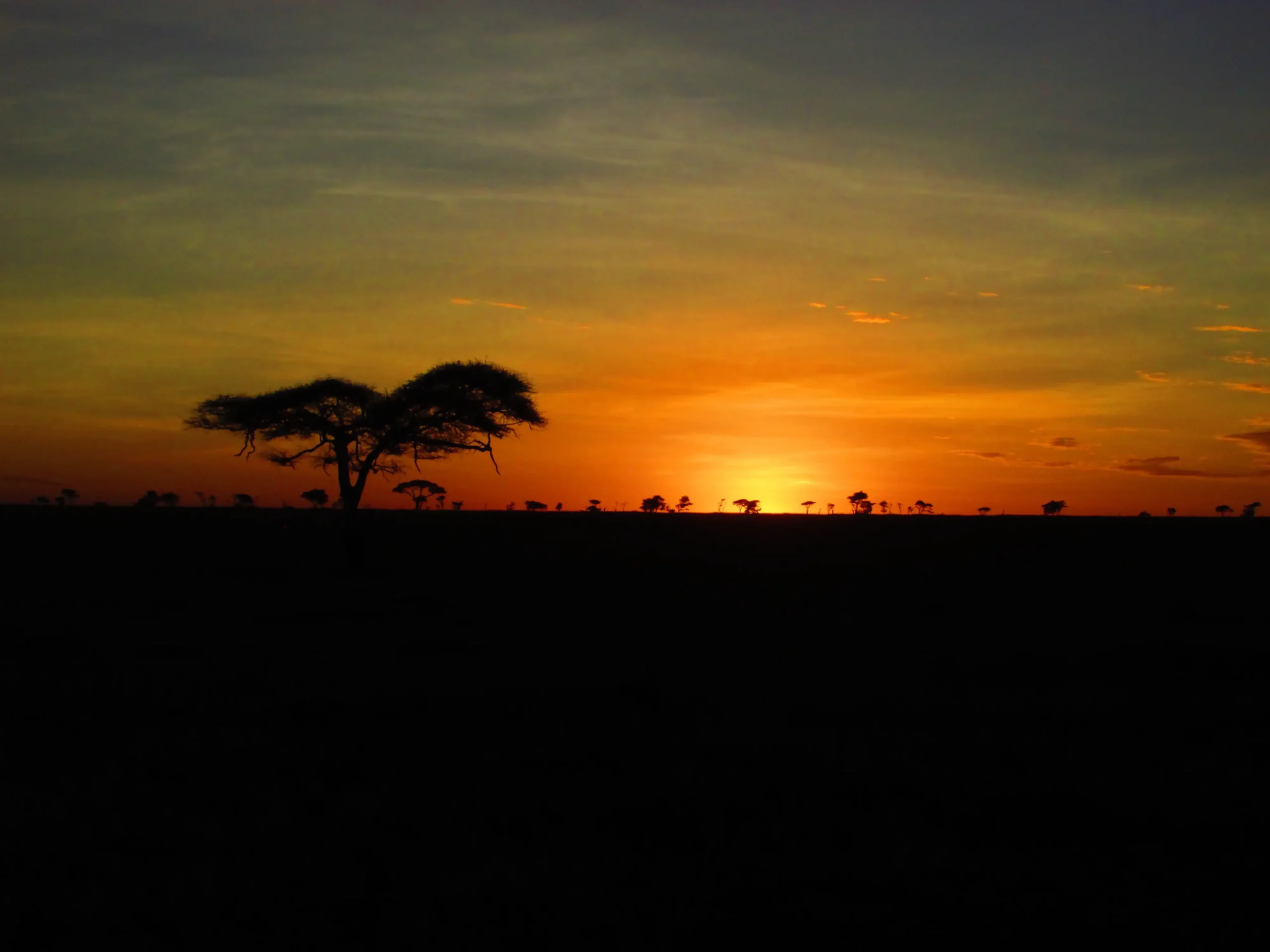
Evenings at camp drop in temperature quickly — a warm layer is always worth packing regardless of the season.
Luggage: What Bags to Bring
The 15 kg soft-bag rule is the single most important logistical fact about a Tanzania safari. Here is what works:
- Main bag: A soft-sided duffel bag of 40–60 litres. These are transferred in light aircraft holds and need to be flexible enough to be squeezed into compartments. Brands like Eagle Creek, Osprey, and REI make good options.
- Day pack: A small 20–25 litre backpack or camera bag that stays in the vehicle during game drives and holds water, camera, binoculars, and sunscreen.
- What not to bring: Hard-shell suitcases, oversized trolley bags, or anything on wheels. These will not be accepted on charter flights and are impractical at camp.
Adding Zanzibar? If you are combining your safari with a Zanzibar beach extension, pack swimwear, a cover-up, and reef-safe sunscreen. Zanzibar is a predominantly Muslim island — modest clothing (shoulders and knees covered) is respectful when visiting Stone Town and local villages away from the beach.
Tell us your travel dates and we will put together an itinerary, packing guide, and honest advice — no pressure, just straight answers from Moshi.
What to Leave at Home
Packing light is a skill. These are the items that fill bags and rarely get used:
- Formal clothes: Smart-casual is the highest dress code at any lodge in Tanzania. Leave suits and cocktail dresses at home.
- Too many shoes: One pair of trail runners and one pair of sandals cover every situation on a standard safari.
- Excessive hair products: Humidity, dust, and long days in a vehicle make elaborate haircare impractical. A simple routine works better.
- Books and paper guides: Download offline maps and a field guide app instead. Weight is better spent on gear.
- Valuables: Leave expensive jewellery at home. Most lodges have in-room safes, but the bush is not the place for anything irreplaceable.
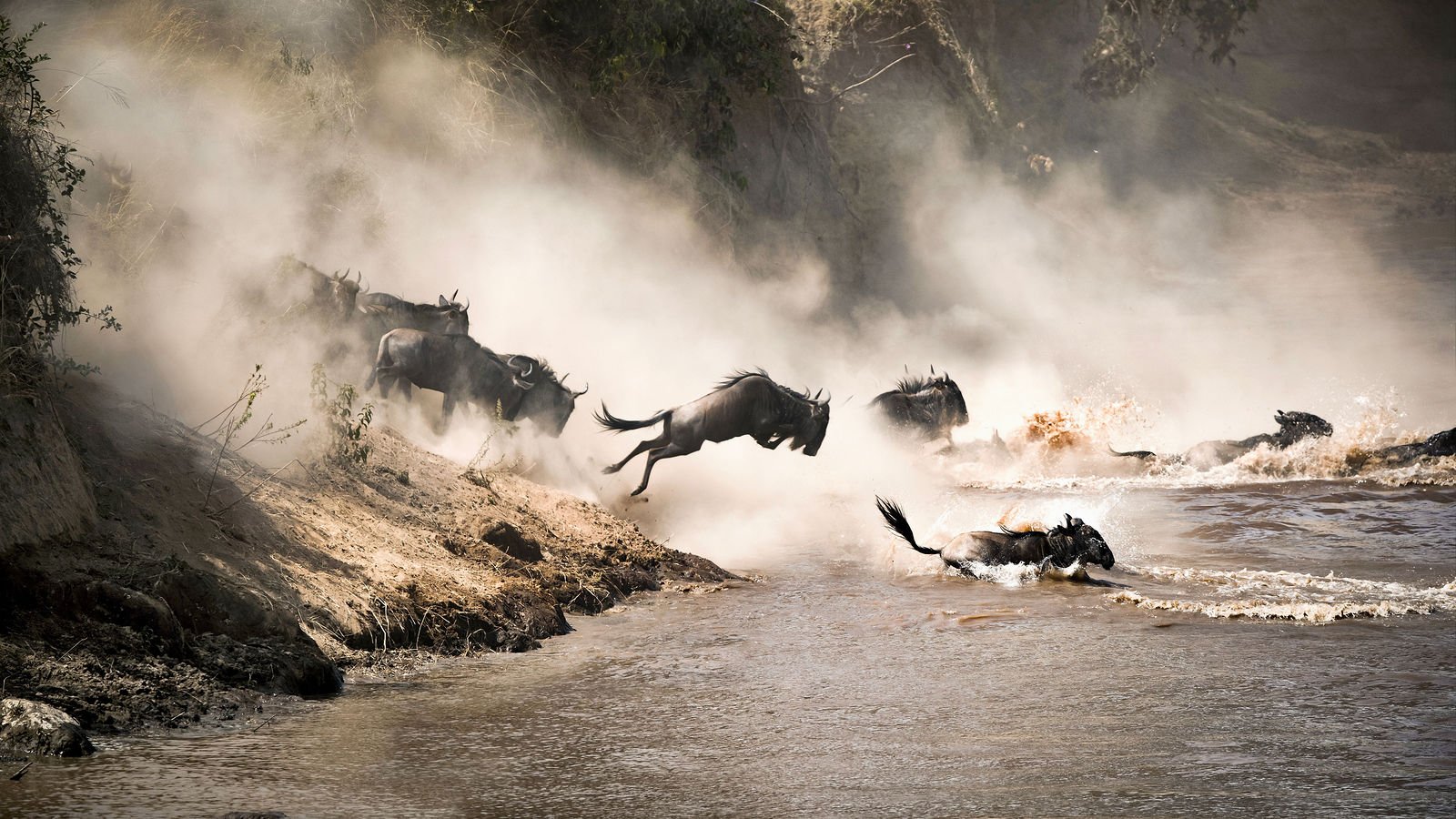
The right gear lets you focus entirely on moments like this — the Great Wildebeest Migration crossing in the Serengeti.
Tipping on a Tanzania Safari
Tipping is an important part of safari culture in Tanzania and a significant portion of guides' and camp staff's income. Bring US dollar bills in small denominations — USD 1, 5, 10, and 20 notes. A rough guide:
- Safari guide (driver-guide): USD 10–20 per person per day
- Camp/lodge staff (shared tip box): USD 5–10 per person per day
- Cook on camping safaris: USD 5–10 per person per day
- Porter (if applicable): USD 3–5 per day
Crisp, clean notes are preferred — banks and lodges in remote areas often refuse damaged or very old bills. Bring newer USD notes where possible.
Frequently Asked Questions
What colours should I wear on a Tanzania safari?
Neutral tones: khaki, olive green, stone, beige, brown, and grey. Avoid white (shows dust, attracts wildlife), bright blue (attracts tsetse flies), red, and yellow. The goal is to blend into the environment rather than stand out from it.
Can I use a hard-shell suitcase on a Tanzania safari?
No. Light aircraft used for bush transfers require soft-sided bags with a maximum of 15 kg per person including hand luggage. Pack a soft duffel as your main bag. If you arrive in Kilimanjaro or Dar es Salaam with a hard-shell suitcase, you can leave it at your Arusha or Moshi hotel and take a duffel into the bush.
Do I need to bring my own binoculars?
We recommend it. Nyange Adventures provides binoculars for clients who do not have their own, but having a personal pair with the right magnification for how you like to observe wildlife makes a real difference. A 8×42 or 10×42 is the most useful configuration for open savannah.
Is it safe to drink the water in Tanzania?
At most lodges and camps, drinking water is provided — either bottled or filtered. Do not drink tap water unless the lodge explicitly confirms it is safe. Carry a water purification bottle or tablets as a backup on longer drives. Staying well hydrated in the heat is more important than most people expect.
Do I need travel insurance for a Tanzania safari?
Yes — and it should include emergency medical evacuation cover. Remote camps can be hours from a hospital; in a serious medical emergency, air evacuation to Nairobi or Arusha may be necessary. Flying Doctors (AMREF) and global cover policies from providers like World Nomads cover evacuation. Check that your policy includes safari activities specifically.
What currency should I bring to Tanzania?
US dollars are widely accepted and the most practical foreign currency to carry. Tanzanian shillings (TZS) are useful for local markets and small purchases. Most lodges, airlines, and park-adjacent services accept USD directly. ATMs are available in Arusha, Moshi, and Dar es Salaam but unreliable in remote areas — carry enough cash for the duration of your bush stay.
Start Planning Your Tanzania Safari Today
Speak directly with Praise Nyange and our senior safari specialists. We listen carefully, ask the right questions, and design an itinerary that feels unmistakably yours.
No commitment required · Personalised response within 24 hours

Your Safari Specialist
Praise Nyange
Founder & Lead Safari Expert
A decade guiding private safaris across Tanzania's finest parks — every itinerary personally overseen.