


A good Tanzania safari itinerary gets you to the country's best wildlife areas without spending most of your trip on the road. In northern Tanzania you can move from the elephants and baobabs of Tarangire National Park to the Ngorongoro Crater and the open plains of Serengeti National Park in a single trip, and each one adds something different.
The right plan depends on how many days you have, when you travel, the kind of accommodation you want and your budget. Below we explain how we put routes together and share a sample 7-day itinerary along with practical tips from our guides.
How many days do you need?
Start with the number of days you can spend on safari. Three days gives you a short introduction to northern Tanzania. Five to seven days allows a far more balanced trip, and eight days or more gives you room to add parks, extra nights or other activities.
3 days
A 3-day itinerary works best when it focuses on Tarangire National Park and the Ngorongoro area. Tarangire is known for its large elephant herds, its baobab trees and its varied landscapes, and the Ngorongoro Crater then gives you some of the most concentrated wildlife viewing in the region. Our 3-Day Safari Tarangire Park & Ngorongoro Crater follows this pattern.
4 days
Four days lets you include the Serengeti. A typical route runs from Arusha to Tarangire, on to the Serengeti, and back through Ngorongoro before returning to Arusha. It involves more driving, but you see a much wider range of scenery and habitats. If you are happy to share a vehicle with other travellers, the 4 Day Group Joining Safari: Serengeti & Ngorongoro Crater is one way to see these parks.
5 days
Five days gives a better balance: a day in Tarangire, two days in the Serengeti and a day around Ngorongoro, with the remaining time for transfers and extra game drives. More than one night in the Serengeti is well worth it, because the park is huge and wildlife can be spread across very different areas. The 5-Day Tarangire, Serengeti & Ngorongoro Budget Camping Safari covers these three parks.
7 days or more
A week lets you travel at a more relaxed pace. You can spend longer in the Serengeti, where early-morning and afternoon game drives show you different animal activity, and you have slack in the plan if weather, road conditions or wildlife movements change things.
Why Arusha is the usual starting point
For most first-time visitors, the northern circuit is the practical choice. Its parks sit relatively close to one another yet offer very different wildlife experiences, and Arusha gives convenient access to all of them, so most northern itineraries begin and end there.
Build your flights into the plan. If your international flight lands late, starting a long drive straight away adds needless stress. A first night in Arusha gives you a gentle transition before the safari begins.
A sample 7-day Tanzania safari itinerary
This route covers the highlights of northern Tanzania without rushing. We adjust the exact order to the season, your choice of accommodation and the wildlife you most want to see.
Day 1: Arusha to Tarangire National Park
Drive from Arusha to Tarangire, known for its elephants, ancient baobabs, open grassland and the wildlife that gathers around water sources in the dry months.
Giraffe, zebra, wildebeest, buffalo, antelope and plenty of birds can all be seen here. You spend the night near Tarangire.
Day 2: Tarangire to Ngorongoro
Head out on an early game drive before leaving Tarangire, as many animals are most active before the heat builds. Afterwards, continue towards the Ngorongoro Conservation Area as the scenery changes from lowland to highland, with stops at viewpoints along the way where time allows. You stay near the Ngorongoro Crater so you can start early the next morning.
Day 3: Ngorongoro Crater to the Serengeti
Descend into the Ngorongoro Crater early for a game drive on the crater floor, which supports a wide variety of wildlife. Then drive on to the Serengeti; the journey becomes part of the safari as the land opens out into wide plains. If you arrive in good time, there may be a short game drive on the way to your camp or lodge.
Day 4: A full day in the Serengeti
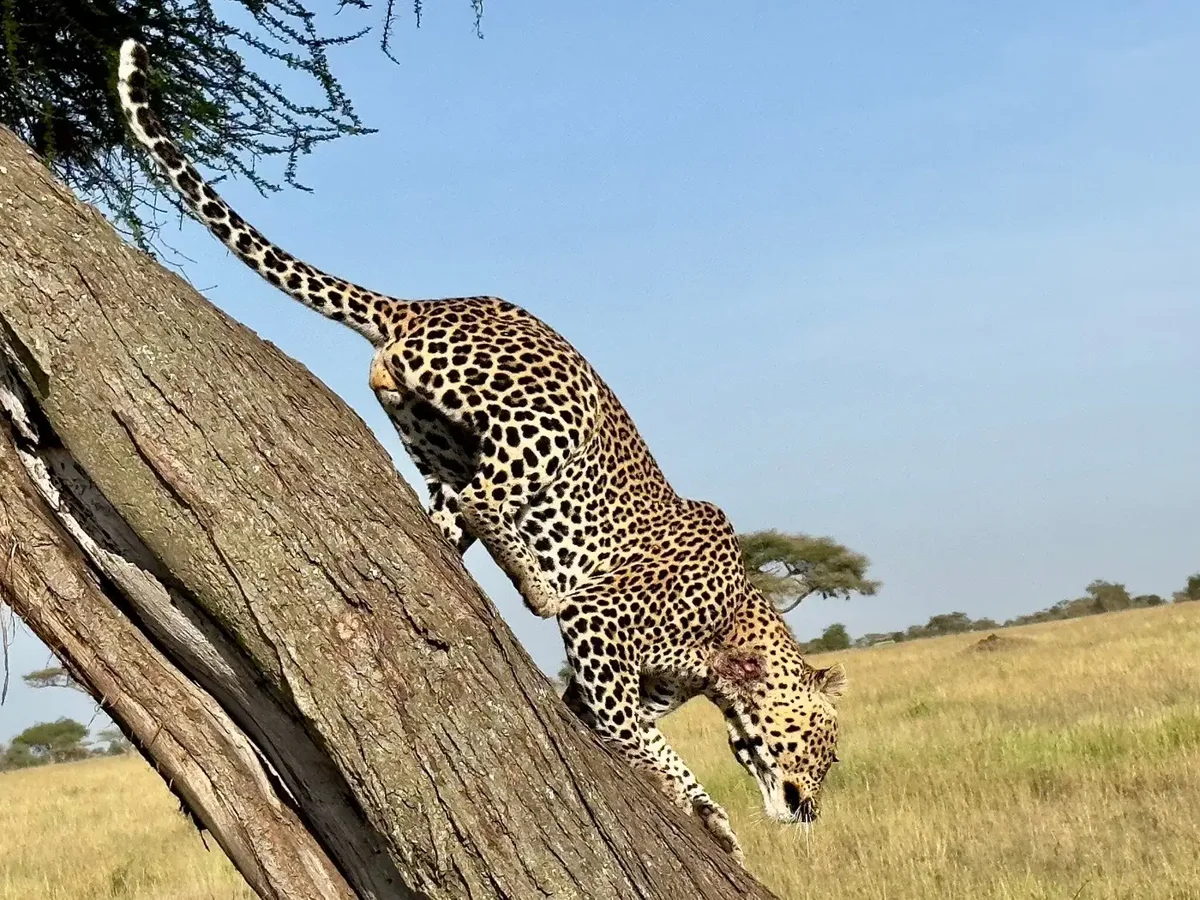
You stay in the same place and spend the whole day looking for wildlife, with no transfer to plan around. The Serengeti is famous for its large herds of wildebeest and zebra, as well as lion, cheetah, leopard, elephant, giraffe and buffalo. Sightings are never guaranteed, but our guides read tracks, habitat, recent sightings and animal behaviour to improve your chances.
Day 5: A second Serengeti day
A second full day lets you explore a different part of the park. The Serengeti varies a great deal across its area, from open grassland to rocky outcrops, woodland and river country, and each supports different animals.
Day 6: Serengeti to the Ngorongoro area
After a morning game drive, travel back towards the Ngorongoro area, with more wildlife viewing on the way depending on the route. This is a longer travel day, so where you stay matters: choosing accommodation well cuts unnecessary driving and makes the last day easier.
Day 7: Ngorongoro to Arusha
After breakfast, return to Arusha, with a final stop or activity on the way if your departure time allows. For a week in higher-end lodges, see our 7-Day Tanzania Luxury Safari All-Inclusive.
Matching your itinerary to the season
Tanzania's wildlife areas are worth visiting all year, but the season affects animal movements, road conditions, vegetation and visitor numbers.
The dry season, roughly June to October, is often preferred for game viewing because animals gather around the remaining water and the vegetation is thinner, which makes them easier to find.
If the Great Migration matters to you, the Serengeti is the key destination. The herds of wildebeest, zebra and other grazing animals move around the ecosystem through the year, so no single area offers the same experience every month. Our best time to visit Tanzania guide explains where the herds tend to be month by month.
The Ngorongoro Crater is a large volcanic caldera with grassland, wetland and other habitats. Because it is so enclosed, you can often see many different species on a single game drive.
Lake Manyara National Park fits some itineraries well, especially if you enjoy birdlife. Its mix of forest, woodland, open ground and lake shore feels quite different from the larger grassland parks.
Accommodation and travel time
Tanzania's parks are large and transfers between them can take several hours, so a good itinerary decides not only which parks to visit but where you sleep each night.
Lodges, tented camps and permanent camps each offer a different experience and price level. Staying inside or close to a park cuts travel time and makes early game drives easier. If you are watching your budget, simpler accommodation outside the main park areas is an option, while higher-end lodges and camps suit those who want more comfort.
When comparing safari packages, look beyond the number of parks. Check how many nights you spend in each place, how long the daily transfers are, what vehicle is provided, whether park fees are included, and which meals and accommodation are part of the price.
Practical tips from our guides
- Pace matters most. Trying to fit in too many places makes a safari tiring, especially on long roads through remote areas.
- A good guide makes a real difference. Our guides know the roads, animal behaviour, seasonal patterns and park rules, and use that knowledge to make the most of your game-drive hours.
- Pack for hot days and cool mornings: neutral, lightweight clothing, comfortable shoes, sunglasses, sun protection and a light jacket for early drives, particularly at altitude around Ngorongoro.
- Be patient with photography. Wildlife does not keep a schedule and some of the best sightings come after a quiet spell, so keep your camera to hand rather than packed away.
- Follow park rules and your guide's instructions. Watch animals from a safe distance and never disturb them.
- If you have more than seven days, add nights rather than parks. Two or three extra nights in the Serengeti give you more time to explore and fewer changes of accommodation.
Combining a safari with Kilimanjaro or Zanzibar
Many of our guests pair a safari with another part of Tanzania. A safari from Arusha can be followed by a climb on Mount Kilimanjaro or a few days on the beach in Zanzibar, and we plan the route around flight connections and travel distances.
Frequently asked questions
How many days do I need for a Tanzania safari?
Three days is enough for a short introduction focused on Tarangire and the Ngorongoro Crater. For most first trips we suggest five to seven days, which lets you include the Serengeti with more than one night there.
When is the best time for a Tanzania safari?
The dry season from June to October is the most popular time for game viewing, but the northern parks are good all year. The best month depends on what you want to see, especially if you are planning around the Great Migration.
To start planning, tell us how many days you have, when you would like to travel and the kind of accommodation you prefer. Our team will suggest a route that suits your pace and budget.