

Nyange AdventuresPlan your journey

YOUR NYANGE ADVENTURE

7-Day Kilimanjaro Trekking - Umbwe Route

Seven days on the steepest, most direct route to the summit, with an extra day at Barranco to acclimatise and a lodge night in Moshi before and after. Nine days in Tanzania, airport to airport.

Length

9 days · 7 climbing

Highest point

Uhuru Peak · 5,895 m

Nights

2 lodge · 6 camps

Longest day

Summit · 11–15 hours

9 days · 7 climbing · Uhuru Peak · 5,895 m

Your group price$2,469 USD pp$4,938 total · 30% deposit to confirmWhat’s included and not included ↓
2

WHY THIS ROUTE

The most beautiful way up.

Umbwe is the steepest and most direct route to the summit. It climbs a narrow forest ridge on the south side, joins the southern circuit at Barranco and comes down the Mweka trail. It suits fit, experienced trekkers.

Steep and directA steady climb straight up a narrow forest ridge to Barranco.
An extra day at BarrancoA walk back up towards Lava Tower and down again helps your body adjust before the Barranco Wall.
Rest either sideA night at Kibo View Farm Lodge (opens in a new tab) before and after the climb.

Read the full route overview ↗ (opens in a new tab)

THE ROUTE, AT YOUR PACE

Your journey, day by day.

Altitude and vegetation · tap a day to open itZone heights are approximate
Day 1 of 9Farmland & lodge

Pre-Climb Arrival and Preparation

Airport pickup · included
Pickup · arrivals hallKilimanjaro International Airport (JRO)

Our team meets you at arrivals, whatever time you land, and drives you to the lodge. Send us your flight number once you book.
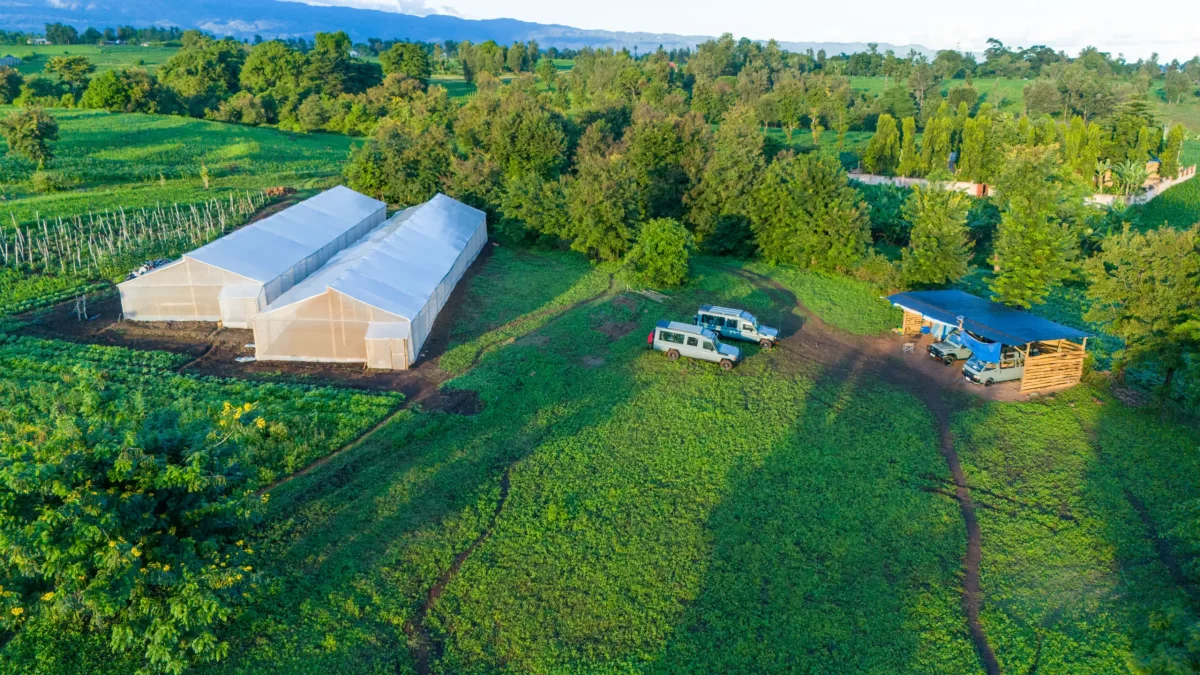
Nyange vehicles at the farm in Moshi
Kibo View Farm Lodge, your first night
Kibo View Farm Lodge (opens in a new tab), your first night

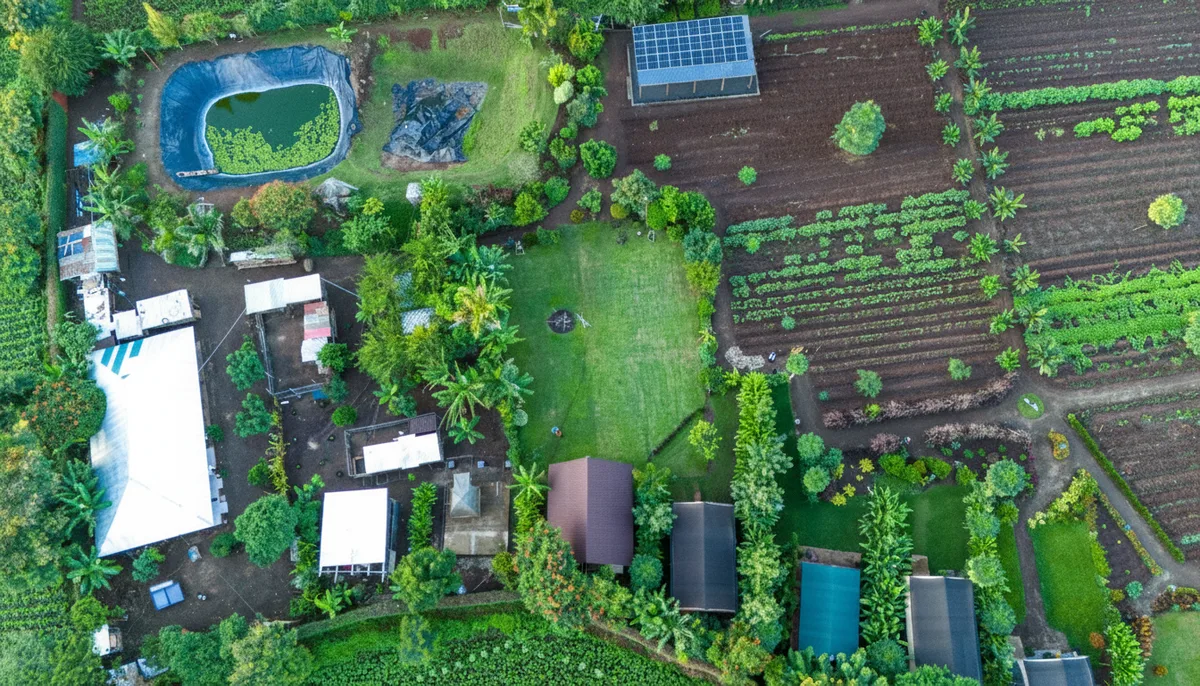
You arrive at Kibo View Farm Lodge (opens in a new tab), a peaceful and well-positioned property on the lower slopes of Kilimanjaro near Moshi town. The lodge sits at approximately 900 meters and offers comfortable rooms, warm showers, home-cooked meals, and beautiful views of the surrounding farmland and forest. It is the ideal base to settle into before a major mountain climb.

Your lead guide meets you for a full pre-climb briefing covering the daily route plan, acclimatization strategy, altitude awareness, emergency procedures, and a thorough gear check. Use the remainder of the day to rest, hydrate well, and eat a proper meal. An early night is strongly recommended. Good sleep before Day 2 is one of the most valuable preparations you can make for the climb ahead.

Meals
Dinner
Walking
No walking
Altitude
Moshi
  1. Airport pickup · included
    Pickup · arrivals hallKilimanjaro International Airport (JRO)

    Our team meets you at arrivals, whatever time you land, and drives you to the lodge. Send us your flight number once you book.

    Nyange vehicles at the farm in Moshi
    Nyange vehicles at the farm in Moshi
    Kibo View Farm Lodge, your first night
    Kibo View Farm Lodge (opens in a new tab), your first night

    You arrive at Kibo View Farm Lodge (opens in a new tab), a peaceful and well-positioned property on the lower slopes of Kilimanjaro near Moshi town. The lodge sits at approximately 900 meters and offers comfortable rooms, warm showers, home-cooked meals, and beautiful views of the surrounding farmland and forest. It is the ideal base to settle into before a major mountain climb.

    Your lead guide meets you for a full pre-climb briefing covering the daily route plan, acclimatization strategy, altitude awareness, emergency procedures, and a thorough gear check. Use the remainder of the day to rest, hydrate well, and eat a proper meal. An early night is strongly recommended. Good sleep before Day 2 is one of the most valuable preparations you can make for the climb ahead.

    Meals
    Dinner
    Walking
    No walking
    Altitude
    Moshi

WHAT YOUR PRICE COVERS

The details matter.

Included

10
  • All transfers are as per the itinerary and government expenses.
  • All accommodation during your climb (unless listed as an upgrade)
  • All Kilimanjaro Park fees.
  • Trained guides in altitude physiology and wilderness first responder (WFR).
  • Top-quality food for the duration of the climb, considering maximum nutritional needs. Three meals a day.
  • Safety equipment, including an oxygen tank and portable altitude chamber (PAC) for the entire climb.
  • Camping equipment, including top-quality mountain tents and standard bathroom facilities.
  • Safety communication, such as satellite phones and cell phones.
  • Flying Doctors Evacuation within the area.
  • Mattresses and tents.

Not included

8
  • International flights (From/to your home country)
  • Tips for your guide, cook and crew.
  • Personal items (Souvenirs, travel insurance, visa fees, etc.)
  • Government-imposed increase of taxes and/or park fees
  • Extra accommodation before and after tour
  • Beverages, laundry, personal gear or clothing rental, etc.
  • Extra activities not mentioned on the itinerary
  • Any charges resulting from an early descent, such as additional hotels, transfers, etc. (This applies if a guest descends before finishing the climb.)

Optional equipment

5

Request equipment in advance and confirm the rental period with our team.

Equipment add-ons, USD
Private Toilet$150
Private Tent$7/day
Kailas X3 III Alpine Tent with Vestibule$12/day
Thicker Sleeping Mattress (4-inch foam)$10
Thermosets$17

Your written proposal confirms the final arrangements and current price for your dates. Please discuss any specific requirements with our team.

QUESTIONS CLIMBERS ASK US

Before you decide.

When is the best time to climb Kilimanjaro?

The most reliable months are January to mid-March and June to October, the two dry seasons. April and May bring the long rains and November to December the short rains. You can still climb then, but trails are muddier and views less certain.

The best time to climb, month by month ↗ (opens in a new tab)

I don’t like the cold. When is it warmest?

January to early March is dry and slightly warmer than June to October, when summit nights are at their coldest. Summit night is cold in every month, so you will need full winter layers whenever you go.

How cold is it at the top?

On summit night expect −10°C to −20°C with wind chill, in the dark before sunrise. You wear every layer at once: thermal base layers, a fleece, a down jacket, a waterproof shell, insulated trousers, a warm hat and mittens over liner gloves.

The Kilimanjaro packing list ↗ (opens in a new tab)

Will it rain on my climb?

It can rain in any month in the rainforest on the lower slopes, so a waterproof jacket and trousers are always on the packing list. In April and May our group climbs move to the Rongai route, which approaches from the drier northern side.

What is the hardest part?

Summit night. You set off from high camp between midnight and 1am and climb steep, loose scree in the cold and dark to reach Uhuru Peak around sunrise, then descend the same day. Most climbers who turn back do so on this stretch, which is why your guides set a slow, steady pace. The Barranco Wall earlier on is a short scramble where you use your hands, but no climbing gear or experience is needed.

Altitude sickness and acclimatisation ↗ (opens in a new tab)

Will I have a bed?

You sleep in mountain tents with a mattress, both included. You bring or rent a warm sleeping bag. A thicker mattress, a private tent and a private toilet are available as upgrades (see Optional equipment above).

How fit do I need to be, and how should I train?

You don’t need any climbing experience. You need to be comfortable walking for several hours a day, on uneven ground, for days in a row. Build up over the months before with regular hikes, stairs and long uphill walks carrying a loaded daypack. Fitness helps with the walking but does not protect you from altitude sickness; more days on the mountain does.

Am I too old, or too young?

There is no upper age limit. Guests have reached the summit with us in their seventies, and a check-up with your doctor before you book is sensible at any age. Kilimanjaro National Park does not allow children under 10 to climb to the summit.

What happens if I get altitude sickness?

Your guides are trained wilderness first responders and check every climber’s health twice a day from the mid-mountain camps onward. Every climb carries an oxygen tank and a portable altitude chamber, and Flying Doctors evacuation is included. If you become seriously unwell, the guides take you down.

Altitude sickness and acclimatisation ↗ (opens in a new tab)

Are tips included?

No. Tips are paid directly to your crew at the end of the climb. The usual guidance is $20–$25 a day for the lead guide, $15–$20 a day for the assistant guide and cook, and $8–$10 a day for each porter. On a 7-day climb most climbers budget $200–$300 each, and our team will advise you before you go.

What a Kilimanjaro climb costs ↗ (opens in a new tab)

2 climbers· $2,469 ppNext step ↗
Your group price
2 climbers
Group size
$2,469 USDper person
$4,938 totalDeposit $1,481 · balance 60 days out
How booking works
  • 30% deposit to confirm. Non-refundable, but it moves with you if you change dates.
  • Balance due 60 days before you travel. Booking within 60 days? Pay in full when you confirm.
  • Change dates more than 60 days out: no admin charge, subject to availability.
  • Paid in USD by bank transfer, Visa, Mastercard or Amex.
Read the booking policy

GOOD ADVICE. LOCAL PEOPLE.

What would you like to do next?

Whichever you choose, your route, group size and price come with it, so our team picks up exactly where you are.

Sent with your message7-Day Umbwe2 climbers$2,469 pp · $4,938 totalDeposit $1,481Group size
2 climbers

Hold my dates.

No payment is taken here. We check availability, then email your written proposal and the deposit invoice ($1,481).

Next: availability check → written proposal → deposit invoice.

Booking terms summarised from the Nyange booking policy: 30% non-refundable deposit (transferable to new dates), balance 60 days before departure, cancellation charges by notice period, payments in USD.