


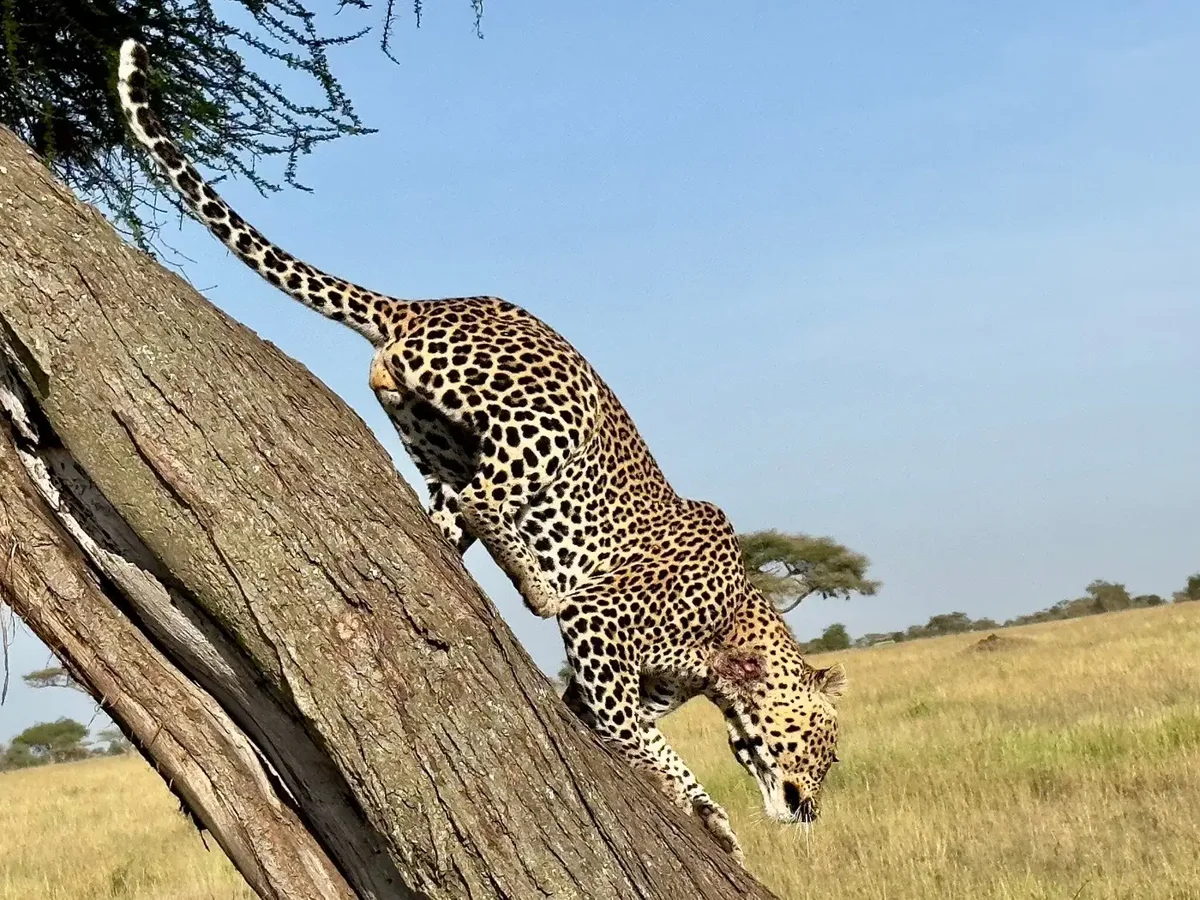
A Tanzania safari is a wonderful way to introduce children to wildlife and wild places. Northern Tanzania's parks, among them Serengeti National Park, the Ngorongoro Conservation Area, Tarangire National Park and Lake Manyara National Park, can be combined into family itineraries that suit different ages, interests and budgets.
Planning for a family is a little different from planning for adults alone. Children may need shorter journeys, regular breaks, comfortable accommodation and activities that keep them interested. Parents may want more privacy, a flexible schedule and rooms that suit the family. The aim is to balance game viewing with rest and to avoid long transfers that nobody enjoys.
The best family safari is not the longest or the most expensive one. It is the one that gives everyone enough time to enjoy each place without becoming exhausted.
Start with your children's ages and interests
Younger children usually do best with shorter game drives and more frequent breaks. Older children and teenagers are often happy with longer drives and more specialised activities. Tell us their ages and interests early, before the itinerary is confirmed, so we can plan around them and our guides can pitch their explanations at the right level.
Why a private vehicle suits families
A private safari vehicle gives you flexibility a group tour cannot. Rather than following a fixed group timetable, you work with your guide on when to set off, when to stop and how long to stay at a sighting. If the children get tired, the day can change without affecting anyone else.
You also get more space and privacy. You can keep snacks, water, jackets and cameras to hand, ask as many questions as you like and shape the day around your own interests. A private safari costs more than a shared one, but for many families the control over the schedule is worth it.
Choosing parks for a family safari
A family itinerary does not need to cover every major park. Visiting fewer places and staying more than one night in each means less packing and unpacking, fewer long drives and more time for children to settle in.
For many first-time visitors, northern Tanzania is the practical choice. Tarangire, Ngorongoro and the Serengeti form a classic route that shows off very different landscapes and wildlife, and starting in Tarangire before moving on to Ngorongoro and the Serengeti gives you variety without travelling between distant regions.
Tarangire National Park
Tarangire is a good first stop because it is relatively close to Arusha. It is known for its large elephant populations and ancient baobab trees, a landscape that looks quite different from the Serengeti's open plains and makes a gentle introduction to safari life.
Ngorongoro Crater
The Ngorongoro Crater's enclosed landscape of crater walls, grassland and wetland holds a wide range of wildlife in a fairly compact area. That suits families who want concentrated game viewing, and it gives guides plenty to explain about geology, ecology and animal behaviour.
Serengeti National Park
The Serengeti suits families with time for a longer safari. Its plains hold elephants, lions, giraffes, zebras, wildebeest, antelope and many other species, and children are often struck by the sheer scale of the landscape, especially when the guide explains how the different animals depend on each other.
The Great Migration is another draw. The wildebeest and zebra herds move through the year with the rain and grazing, so their location is not fixed. If seeing the migration matters to your family, we plan the itinerary around where the herds are expected to be.
Lake Manyara National Park
Lake Manyara's mix of forest, wetland, open ground and lake shore feels different again from the Serengeti, and it can fit into a northern route depending on your time.
Southern Tanzania
Families with more time can look south. Nyerere National Park is known for its river landscapes and boat excursions, and Ruaha National Park offers wide wilderness and varied wildlife. With younger children, though, a shorter northern itinerary is often the better choice, as long transfers become tiring when combined with early game drives.
For families with young children, our 3-Day Safari Tarangire Park & Ngorongoro Crater is a short introduction, and the 4-Day Northern Circuit Mid Range Lodge Safari adds Lake Manyara with nights in comfortable lodges.
Keep expectations realistic
Wildlife is wild, and no responsible operator can guarantee particular sightings. Children may also not have the patience to wait hours for one animal. Treat the safari as a chance to enjoy the whole environment and learn about the animals, not as a checklist, and keep the itinerary flexible so the guide can follow what the wildlife is doing while giving the family time to rest.
Learning on safari
A good guide turns a game drive into a lesson children remember. They can learn how animals communicate, how predators hunt, why elephants move between water sources, how birds fit into their environment and how conservation protects habitats.
Encourage children to keep a simple wildlife journal or a list of what they see. It helps them remember the animals, landscapes, weather and moments that stood out.
Depending on the destination, park rules and age requirements, some families can add other nature or educational activities to their game drives. Always check minimum ages and safety requirements before booking.
Accommodation for families
Options range from campsites and tented camps to lodges and higher-end properties, and what is available varies from park to park. A few things matter more for families than for other travellers.
- Room configuration: some properties have family rooms or interconnecting rooms, while others need separate rooms for adults and children. Confirm the actual sleeping arrangements rather than relying on general descriptions.
- Location: staying close to where you will do your game drives cuts daily travel time, which helps with young children who do not enjoy long drives.
- Meals: if your children have particular food preferences or dietary needs, tell us before you travel so the lodge or camp can prepare.
Getting around
A comfortable vehicle with room for everyone makes long drives easier. Ask about seating, the vehicle's condition, charging points and luggage space.
Domestic flights can cut long road transfers to remote parks, but check luggage limits, transfer arrangements and flight schedules first. On shorter northern circuit trips, road travel is often more practical and more affordable.
Safety on safari
Before the first game drive, talk to your children about how to behave around wildlife. Wild animals are not pets and must be watched from a safe distance. Children should stay inside the vehicle when told to, keep noise down around animals and never try to approach them.
Everyone should follow the guide's instructions at all times and respect park rules. Each park has its own visitor guidelines, so it is worth reading the rules for the places on your itinerary.
How long to go and when
For many families, five to seven days is a good balance, though the right length depends on the parks you choose and how you travel between them. Spend two or more nights in key places instead of moving every day; it gives children time to settle and leaves more time for game drives.
Tanzania offers good wildlife viewing year-round, though conditions vary by region and season. June to October, the long dry season, is the most reliable time for a first safari. July to September and the Christmas and New Year period are the busiest and most expensive, so book early if your dates are tied to school holidays.
If the Great Migration is the goal, choose dates around the expected herd movements. If you simply want good general game viewing, you can choose dates by school holidays, budget, weather and lodge availability.
Budget and what is included
A private safari can look more expensive than a group departure at first, but judge it against what your family needs. Being able to control the schedule, stop when the children need a break and not share a vehicle can make it worth the difference. To manage costs, mix comfortable mid-range lodges with practical camps, or visit fewer places.
When comparing packages, check exactly what the price covers: accommodation, meals, park fees, vehicle use, guiding, airport transfers and optional activities. Ask too about cancellation terms, payment conditions, child pricing, accommodation rules and minimum ages for activities, as these vary between properties.
Adding the coast
After several days of wildlife viewing, many families add time on Zanzibar or elsewhere on the coast, so the trip ends with something completely different. Our 11-Day Classic Safari & Beach Holiday combines Tarangire, Ngorongoro and the Serengeti with a stay on Zanzibar.
What to pack
Comfortable clothing, suitable shoes, sun protection, insect repellent and binoculars all make the trip easier. Children appreciate a small notebook, camera or other activity for longer drives. Avoid overpacking: domestic safari flights may have luggage limits, and smaller bags are easier when you change accommodation.
Frequently asked questions
How long should a family safari in Tanzania be?
Five to seven days suits many families, with two or more nights in key places. With young children, a shorter northern itinerary is often the best start.
Can you guarantee we will see particular animals?
No. Wildlife is wild and no responsible operator can promise specific sightings. Our guides adapt each day to what the animals are doing.
To start planning, tell us your children's ages, when you would like to travel and roughly how long you have. Our team will suggest a route and a pace that work for the whole family, and adjust it with you until it feels right.