
Preparing for a climb like Kilimanjaro is both an exciting and daunting task. With altitudes reaching over 19,000 feet, it’s not your average hike. The experience combines breathtaking scenery, unique wildlife, and personal triumph, but the mountain’s challenges—ranging from altitude sickness to unpredictable weather—require serious preparation. Training for Climbing Kilimanjaro is essential to increase your chances of a successful and enjoyable summit.
Although Kilimanjaro’s climb isn’t technical and does not require mountaineering experience or specialized equipment like ropes or crampons, it is physically demanding due to high altitude and long trekking days. Proper Training for Climbing Kilimanjaro prepares your body and mind for these challenges, ensuring you can handle the strain of multiple consecutive hiking days.
Proper Training for Climbing Kilimanjaro ensures:
Improved Endurance: The ability to hike for 6–8 hours daily, sometimes for several consecutive days, is developed through consistent Training for Climbing Kilimanjaro.
Altitude Adaptation: A fitter body adapts more efficiently to low oxygen levels at high altitudes, making Training for Climbing Kilimanjaro a crucial part of summit success.
Reduced Risk of Injury: Strengthening muscles and improving flexibility through structured preparation can prevent strains or injuries on uneven terrain.
Mental Toughness: Consistent preparation builds resilience, confidence, and determination—qualities that are vital during Training for Climbing Kilimanjaro and on summit day itself.

A key part of Training for Climbing Kilimanjaro is understanding the nature of the mountain itself, including the routes, terrain, and altitude challenges you will face. Knowing what to expect allows you to prepare physically and mentally for summit success.
Kilimanjaro offers several routes, such as the Machame, Lemosho, Marangu, and Rongai. Each varies in difficulty, length, and scenery, which makes route selection an important consideration during Training for Climbing Kilimanjaro. For example:
Machame Route: Popular for its scenic views but more physically demanding, requiring solid endurance preparation.
Marangu Route: Known as the “Coca-Cola route,” it’s the only one with hut accommodations but has a lower success rate due to its faster ascent.
Lemosho Route: Provides a longer, more gradual ascent, allowing better acclimatization and increasing summit success rates.
Understanding your chosen route helps you customize your Training for Climbing Kilimanjaro plan to match the specific physical and altitude demands of the climb.
A structured Training for Climbing Kilimanjaro program should focus on cardiovascular endurance, muscular strength, and flexibility to prepare your body for long trekking days at high altitude.
Cardio training is the foundation of effective Training for Climbing Kilimanjaro. Activities like running, cycling, swimming, or brisk walking build stamina and improve lung capacity. Focus on sustained, moderate-intensity workouts rather than short bursts of high intensity. Incorporating interval training and uphill hikes will help simulate the mountain’s steep ascents and physical demands.
Building strength is crucial for carrying your backpack, maintaining stability on uneven terrain, and preventing muscle fatigue during your Training for Climbing Kilimanjaro program. Key exercises include:
Legs: Squats, lunges, and step-ups to strengthen quads, hamstrings, and glutes.
Core: Planks, Russian twists, and side planks to improve balance and stability.
Upper Body: Push-ups, rows, and shoulder presses to build endurance, especially when using trekking poles.
Flexibility is often overlooked but remains an important component of Training for Climbing Kilimanjaro. Incorporating yoga or dynamic stretching into your routine improves mobility and reduces the risk of injuries, particularly in the hips, knees, and ankles.

Acclimatization is one of the most critical aspects of climbing Kilimanjaro.
Proper nutrition fuels your body for the physical demands of the climb. During your training and the climb itself, follow these tips:
Mental resilience is as important as physical strength. The altitude, cold, and fatigue can take a toll, but a positive mindset can help you push through tough moments. Break the climb into smaller goals and celebrate each milestone to stay motivated.
Spend time imagining yourself successfully reaching the summit. Visualize the views, the sense of accomplishment, and the joy of completing your journey. This technique can reduce pre-climb anxiety and help you stay focused during tough sections.
Meditation or mindfulness practices can help you manage stress and improve your mental clarity on the mountain. Practicing deep breathing techniques also helps with managing altitude-induced discomfort.
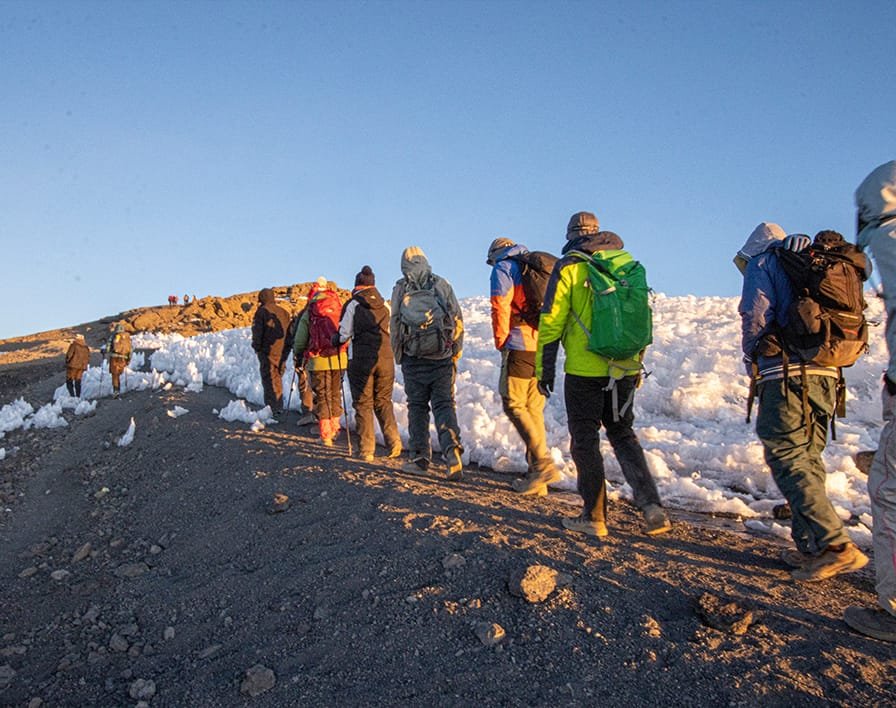
Create a timeline for your training based on when you plan to climb. Start slow and gradually increase the intensity and duration of your workouts. If possible, include multi-day hikes to simulate the experience of trekking for several days consecutively.
Keep a training journal or use fitness apps to track your cardio sessions, strength workouts, and hikes. Documenting your progress will help you stay on track and identify areas for improvement.
Even with preparation, altitude sickness can affect climbers. Stay hydrated, pace yourself, and listen to your body. If symptoms worsen, communicate with your guide and consider descending.
The long days and steep climbs can exhaust even the fittest climbers. Incorporate rest days in your training to allow your body to recover and build endurance.
Kilimanjaro’s weather can change rapidly. Train in various weather conditions and invest in high-quality gear, including layers, waterproof clothing, and sturdy boots.
Reaching the summit of Kilimanjaro is a life-changing achievement that requires careful preparation and dedication. With a well-rounded training plan that addresses physical fitness, mental resilience, and acclimatization, you can confidently face the challenges of the climb.
Start preparing today, and remember—every step of your journey brings you closer to standing on the “Roof of Africa.” Happy climbing!

© 2025 Nyange Adventures All Rights Reserved.

Use this feature to chat with our agent.
 Optimized by Seraphinite Accelerator