
Packing for a Kilimanjaro climb requires careful planning to ensure you have the right gear to tackle varying weather conditions, high altitudes, and long trekking days. This Packing Guide for Climbing Kilimanjaro covers everything you need to pack for a safe, comfortable, and successful journey to the summit of Africa’s highest peak.
Climbing Mount Kilimanjaro is an exhilarating challenge that takes you through multiple climate zones, from tropical forests to icy glaciers. A well-structured Packing Guide for Climbing Kilimanjaro is essential to help you prepare for these diverse environments, where temperatures can range from scorching hot to subzero in a single day. Carrying the right gear not only enhances your comfort but also ensures your safety during the climb.
Choosing the right bags is a critical part of any Packing Guide for Climbing Kilimanjaro, as they determine how comfortably and efficiently your gear is carried throughout the trek.
Main Backpack: A durable 60–80L backpack for porters to carry your gear is highly recommended in this Packing Guide for Climbing Kilimanjaro, ensuring all your essentials are securely stored.
Daypack: A 20–30L daypack is a key recommendation in this Packing Guide for Climbing Kilimanjaro, allowing you to carry items you’ll need during the hike, such as water, snacks, and extra layers. Look for one with a comfortable fit and adjustable straps.
Adjustable trekking poles are highlighted in every professional Packing Guide for Climbing Kilimanjaro because they significantly reduce strain on your knees, particularly during steep ascents and descents.
A reliable hydration system is an essential component of any Packing Guide for Climbing Kilimanjaro. Hydration packs or water bottles are a must, and insulated options are strongly recommended to prevent water from freezing at higher altitudes.


Layering is key to staying warm and dry on Kilimanjaro, and every professional Packing Guide for Climbing Kilimanjaro emphasizes the importance of a proper layering system. The right clothing combination helps you adapt to changing temperatures and harsh summit conditions.
Base Layers: Moisture-wicking thermal tops and bottoms are a fundamental part of any Packing Guide for Climbing Kilimanjaro, helping to keep sweat away from your skin and maintain body warmth.
Mid Layers: Insulating layers such as fleece or down jackets are strongly recommended in a reliable Packing Guide for Climbing Kilimanjaro to retain heat during cold mornings and high-altitude trekking.
Outer Layers: Waterproof and windproof jackets and pants are essential items in a complete Packing Guide for Climbing Kilimanjaro, protecting you against rain, wind, and snow.
Accessories: Hats, gloves, neck gaiters, and balaclavas are highlighted in every Packing Guide for Climbing Kilimanjaro to shield you from extreme cold and strong summit winds.
Proper footwear is a critical section of any detailed Packing Guide for Climbing Kilimanjaro, as comfortable feet are essential for long trekking days.
Hiking Boots: A dependable Packing Guide for Climbing Kilimanjaro recommends sturdy, well-broken-in hiking boots with strong ankle support. Waterproof boots are especially important for wet and muddy conditions.
Socks: Choosing the right socks is emphasized in a professional Packing Guide for Climbing Kilimanjaro, as they help prevent blisters and keep your feet dry.
Hiking Socks: Merino wool or synthetic socks are recommended in a thorough Packing Guide for Climbing Kilimanjaro to keep feet warm, dry, and blister-free.
Liner Socks: Thin liner socks worn under hiking socks are commonly suggested in a Packing Guide for Climbing Kilimanjaro to reduce friction and prevent blisters.
Rest and recovery are crucial for summit success, and a well-prepared Packing Guide for Climbing Kilimanjaro always includes proper sleeping equipment.
Sleeping Bag: A 4-season sleeping bag rated for temperatures between -10°C and -20°C is strongly advised in any complete Packing Guide for Climbing Kilimanjaro to ensure warmth during cold nights.
Sleeping Pad: Lightweight foam or inflatable sleeping pads are recommended in a practical Packing Guide for Climbing Kilimanjaro for added comfort and insulation from the cold ground.
Travel Pillow: A compact, inflatable pillow is often included in a detailed Packing Guide for Climbing Kilimanjaro to improve sleep quality during the trek.
A comprehensive Packing Guide for Climbing Kilimanjaro also highlights several additional items that enhance convenience and safety during your climb.
Important documents and small necessities are key components of any Packing Guide for Climbing Kilimanjaro, ensuring a smooth travel and trekking experience.
Climbing Permits and Passport: A well-organized Packing Guide for Climbing Kilimanjaro reminds climbers to keep all documentation up to date and easily accessible.
Cash: Carrying small bills is commonly advised in a practical Packing Guide for Climbing Kilimanjaro for tipping guides and porters, as well as purchasing snacks or souvenirs.
Even with professional guides, a reliable Packing Guide for Climbing Kilimanjaro recommends carrying basic navigation and lighting tools for added security.
Headlamp: A dependable headlamp with extra batteries is an essential item in any Packing Guide for Climbing Kilimanjaro, especially for early morning summit attempts or nighttime treks.
GPS or Maps: While guides handle navigation, a thorough Packing Guide for Climbing Kilimanjaro suggests having a personal GPS device or a route map for additional awareness and preparedness.
Before setting off for Kilimanjaro, review this final checklist:
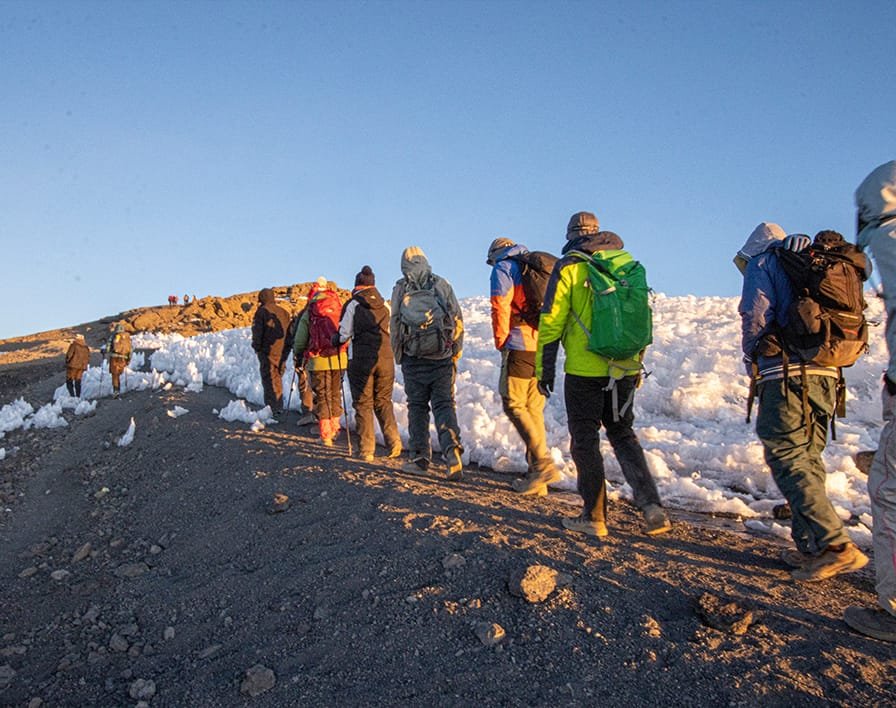
Packing smart is critical for a successful Kilimanjaro climb. By following this comprehensive guide, you’ll be well-equipped to face the mountain’s diverse challenges and focus on the incredible journey to the summit. Careful preparation is the first step toward making your adventure unforgettable.

© 2025 Nyange Adventures All Rights Reserved.

Use this feature to chat with our agent.
 Optimized by Seraphinite Accelerator